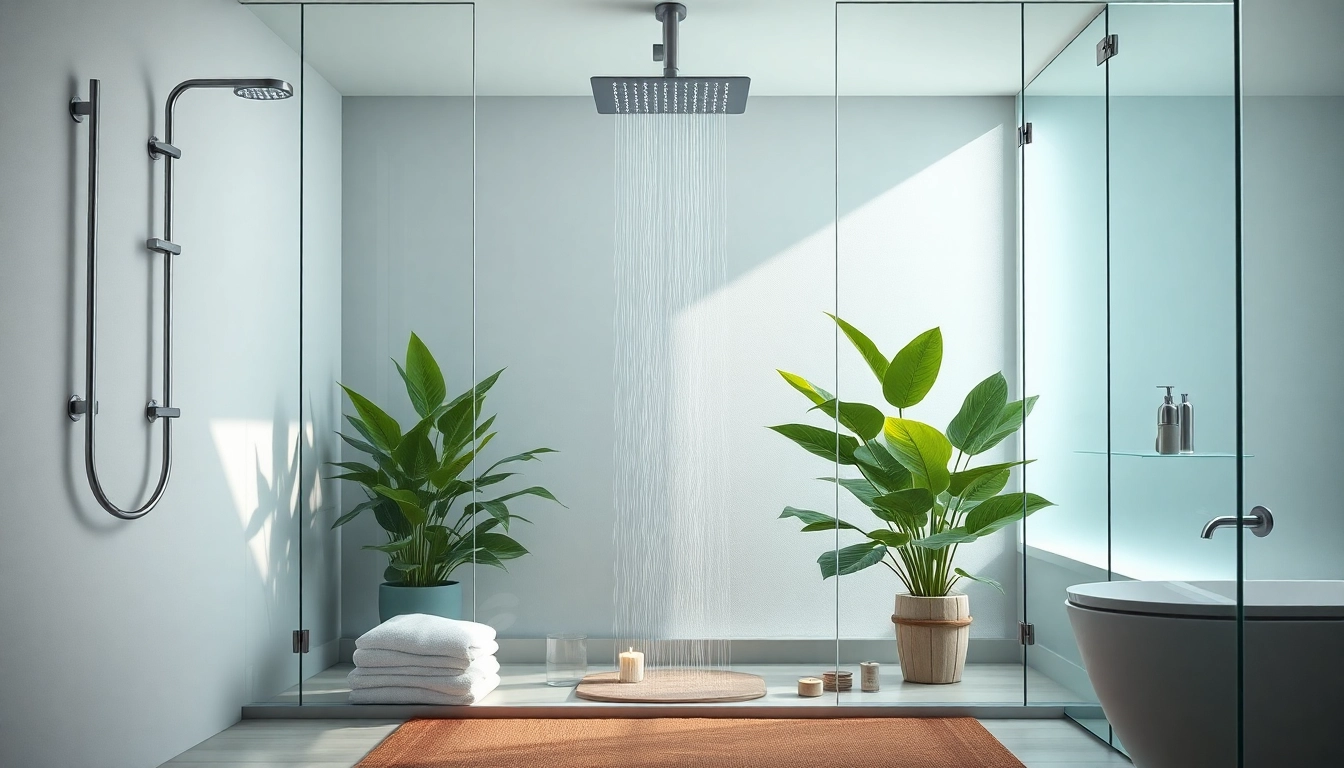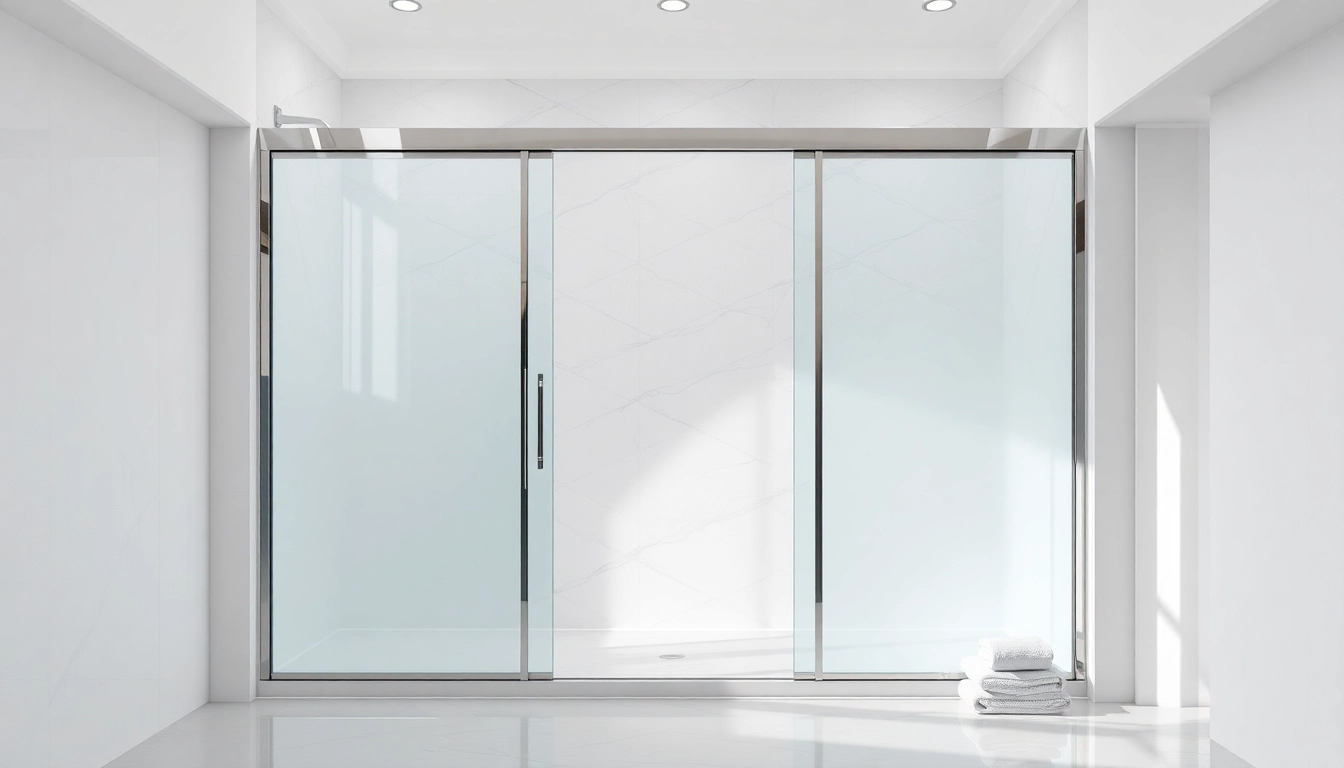
Introduction to Shower Doors Sliding
Shower doors sliding have become a popular choice for many homeowners looking to enhance the functionality and aesthetics of their bathrooms. These doors slide open and closed along a track, offering a modern and space-saving alternative to traditional hinged doors. Whether you’re remodeling or building a new bathroom, integrating shower doors sliding can elevate the overall look of your space while optimizing available bathroom area.
What Are Shower Doors Sliding?
Shower doors sliding, often referred to as sliding shower doors, are engineered to glide on a track system. This design allows them to effortlessly open and close, facilitating easy entrance and exit from the shower enclosure. Unlike traditional doors that swing outward, sliding doors minimize the amount of space required, making them an ideal fixture for smaller bathrooms or corner shower configurations.
Benefits of Using Shower Doors Sliding
- Space Efficiency: One of the primary advantages of sliding shower doors is their ability to save space. They do not swing open, which is particularly beneficial in compact bathrooms.
- Fluid Aesthetic: The sleek lines and transparent materials provide a modern look that enhances the bathroom’s visual appeal.
- Easy Access: Sliding doors enable simple access, making it convenient for individuals of all ages, including children and seniors.
- Increased Light: The use of glass allows natural light to filter into the shower space, making the area feel larger and more inviting.
- Variety: With a wide range of designs, materials, and finishes available, homeowners can customize their sliding doors to match any bathroom decor.
Common Types of Shower Doors Sliding
Shower doors sliding can be categorized into several types, each offering unique features and benefits. Common types include:
- Framed Sliding Doors: These doors have a complete frame made from materials like aluminum or stainless steel. They provide durability and stability.
- Frameless Sliding Doors: Frameless doors give a minimalist, contemporary look. They are typically made from thicker glass and use wall-mounted rollers.
- Bypass Sliding Doors: Bypass doors consist of two or more panels that slide past one another. This design is great for maximizing entry and space.
- Corner Sliding Doors: Ideal for corner showers, these doors provide both functionality and style, fitting perfectly into tight spaces.
Key Features of Shower Doors Sliding
Material Choices for Shower Doors Sliding
When selecting shower doors sliding, the choice of materials is fundamental. The three most common materials include:
- Glass: The most popular choice due to its elegant appearance. Tempered glass is used for safety and durability.
- Aluminum: Often used in framed options, it offers strength and resistance to humidity. Anodized aluminum can further lower maintenance needs.
- Plastic: Acrylic or polycarbonate materials are lightweight and can mimic the appearance of glass. They are also more affordable but may scratch easier.
Design Options and Customization
The customization options for shower doors sliding are extensive, allowing homeowners to personalize their installations according to their specific tastes, preferences, and needs. Some elements to consider include:
- Glass Type: Choose from clear, frosted, tinted, or patterned glass for privacy and stylistic preferences.
- Frame Finish: Finishes such as chrome, brushed nickel, or oil-rubbed bronze can complement your bathroom fixtures.
- Handles: Selecting the right handle design can enhance usability and the door’s visual appeal, with options ranging from minimalist to more decorative.
- Track Design: The type of track—whether top-mounted or bottom-mounted—can influence both aesthetics and functionality.
Installation Considerations for Shower Doors Sliding
Installing shower doors sliding requires careful planning and precise execution. Consider the following factors for successful installation:
- Measurements: Accurate measurements are crucial to ensure a proper fit. Consider the height, width, and depth of the shower alcove.
- Wall Material: Different wall materials may require specific mounting techniques or hardware. For example, tile and drywall might necessitate different anchors.
- Professional vs. DIY: While some homeowners opt for DIY installation, consulting a professional can provide assurance that the door is leveled and sealed correctly.
- Maintenance Accessibility: Ensure that the door can be easily cleaned and maintained post-installation.
Maintenance Tips for Shower Doors Sliding
Cleaning Techniques for Longevity
To keep shower doors sliding looking their best, routine cleaning is essential. Here are some effective cleaning methods:
- Glass Cleaner: Use a glass cleaner formulated for bathroom environments to prevent streaks and buildup.
- Vinegar Solution: A mixture of white vinegar and water can help remove hard water stains, soap scum, and mildew.
- Soft Cloths: Microfiber cloths should be used to avoid scratching the glass surfaces.
Preventing Mold and Mildew
Mold and mildew growth can be a common issue in shower areas. To prevent this, consider the following measures:
- Ventilation: Ensure proper ventilation in the bathroom to reduce humidity levels.
- Regular Cleaning: Clean the door and surrounding areas frequently to disrupt mold lifecycle.
- Sealing Grout: If the tiles are used in conjunction with the sliding doors, sealing the grout can prevent moisture absorption.
Routine Inspections and Repairs
Conducting regular inspections of shower doors sliding can help identify potential issues before they develop into significant problems. Consider:
- Track Condition: Check the tracks regularly for debris, ensuring smooth operation.
- Seal Integrity: Inspect the seals and caulking around the door for wear and tear, and replace them as necessary.
- Roller Mechanism: Ensure that the rollers are functioning correctly, lubricating them as needed to maintain fluid movement.
Trends in Shower Doors Sliding
Popular Design Trends
Design trends in shower doors sliding continue to evolve, with several key themes emerging:
- Minimalism: Frameless designs with clean lines are gaining popularity for a sleek and modern look.
- Bold Patterns: Textured or patterned glass options are trending, providing privacy without sacrificing style.
- Mixed Materials: Combining glass with wood or granite accents can create a striking contrast.
Innovative Features to Look For
Modern sliding shower doors often include innovative features that enhance usability and convenience:
- Soft-Close Mechanisms: This feature prevents the door from slamming shut, ensuring a quiet and gentle close.
- Magnetic Seals: These ensure a watertight closure, reducing leaks and enhancing water containment.
- Anti-Skid Tracks: Specially designed tracks can improve safety by preventing slipping.
Eco-Friendly Options for Shower Doors Sliding
As sustainability becomes a focal point in home design, many manufacturers are offering eco-friendly shower door options:
- Recycled Materials: Some brands offer doors made from recycled glass or aluminum, minimizing waste.
- Low-VOC Sealants: Opting for low-VOC (volatile organic compounds) sealants can improve indoor air quality.
- Water-Saving Designs: Constructing shower designs that reduce water usage during showers can contribute to overall sustainability.
FAQs About Shower Doors Sliding
What are the advantages of shower doors sliding?
Shower doors sliding save space, offer a sleek appearance, and are easy to use.
How do I clean shower doors sliding?
Use a vinegar solution or specialized glass cleaner to maintain clarity and shine.
Are shower doors sliding easy to install?
While DIY installation is possible, professional help ensures alignment and seals.
What glass thickness should I consider for shower doors sliding?
Standard thickness ranges from 1/4 inch to 3/8 inch, with thicker glass being sturdier.
Can I customize shower doors sliding?
Yes, customization options include frame styles, glass types, and handle designs.