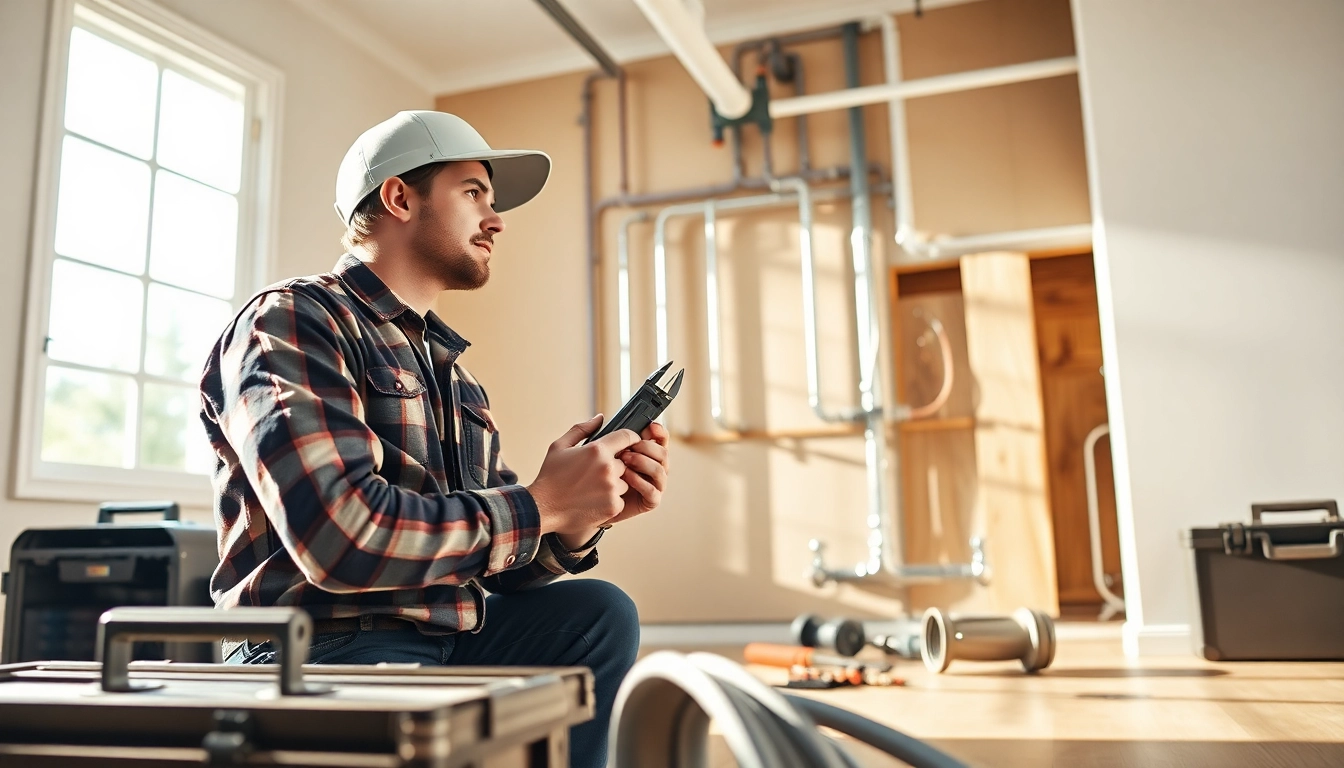
Understanding Whole House Repiping Services
What is Whole House Repiping?
Whole house repiping is the process of replacing old, damaged, or corroded pipes throughout an entire residential structure. It can involve various plumbing materials, which can often degrade over time, leading to water quality issues, leaks, and plumbing failures. This essential service ensures that your home has a robust plumbing system capable of providing clean and safe water. Homeowners in need of comprehensive plumbing solutions can explore whole house repiping services St Petersburg FL to restore the integrity of their piping system.
Types of Piping Materials
Understanding the different types of piping materials available is crucial for homeowners considering a repiping project. Here are some common materials used:
- Copper: Known for its durability and resistance to corrosion, copper piping has been a classic choice for many decades. Its longevity often justifies its higher initial cost.
- PVC (Polyvinyl Chloride): Lightweight and easy to install, PVC is often used in drainage systems but is not suitable for hot water because it can warp.
- PEX (Cross-Linked Polyethylene): Gaining popularity in recent years, PEX is flexible and resistant to scale and chlorine, making it ideal for both hot and cold water lines.
- Galvanized Steel: Once a common choice, galvanized steel pipes are prone to rust and corrosion and are often replaced during repiping projects.
Signs You Need Repiping
Detecting the need for repiping early can prevent extensive damage and costly repairs. Common signs indicating that it may be time for a whole house repiping include:
- Low Water Pressure: A sudden drop in water pressure might indicate blockages or degradation in your pipes.
- Discolored Water: Rusty or brownish water is a clear indicator of corrosion within your pipes.
- Frequent Leaks: Repeated leaks or water stains on ceilings and walls often suggest underlying pipe issues.
- Unpleasant Odors: Foul smells originating from the plumbing can indicate deteriorating pipes.
- Old Plumbing System: Homes with plumbing systems older than 50 years should be evaluated for potential repiping needs.
The Process of Whole House Repiping
Initial Consultation and Inspection
The first step in the repiping process is a thorough inspection by a qualified plumbing professional. During this consultation, the plumber will assess the existing plumbing system, identify signs of deterioration, and evaluate the home’s specific needs. This step is critical in developing a tailored plan, ensuring that the homeowner understands the process and their options.
Preparation and Planning
Once the inspection is complete, the next phase involves planning the repiping project. This includes determining the best materials for your needs, developing a timeline, and preparing the home for the work. Plumbers may need to access walls, floors, or ceilings to replace the piping, so proper planning will minimize disruption to your living environment.
Executing the Repiping Process
With a solid plan in place, the plumbing team will begin the execution of the repiping project. This phase typically involves shutting off water supplies, removing old pipes, and installing new ones. The work may take several days to complete, depending on the size of the home and the extent of the plumbing system being replaced. Communication is key during this time to keep homeowners informed about progress and any unexpected issues that may arise.
Benefits of Whole House Repiping
Improved Water Quality
One of the most compelling reasons for repiping your home is the significant improvement in water quality. Old, corroded, or damaged pipes may leach harmful substances into the water supply, whereas new, high-quality materials are designed to be safe and sanitary. Homeowners can experience better-tasting water and peace of mind knowing that their plumbing system meets current health standards.
Increased Property Value
Investing in whole house repiping can enhance the resale value of a property. Prospective buyers tend to favor homes with updated plumbing systems, as it reduces the need for immediate repairs. By repiping, homeowners not only safeguard their investments but also improve the overall marketability of their properties.
Reduced Maintenance Costs
Old plumbing systems often result in increased maintenance costs due to frequent repairs and emergency services. Replacing outdated pipes can drastically reduce these ongoing expenses. With new pipes in place, homeowners can expect fewer plumbing issues, leading to both peace of mind and financial savings in the long run.
Choosing the Right Repiping Services
Key Qualities to Look For
When selecting a plumbing contractor for your repiping project, several qualities can help ensure a successful outcome:
- Experience: Choose a contractor with a proven track record in whole house repiping projects.
- Licensing and Insurance: Ensure that the contractor has the necessary licenses and insurance to protect both them and you during the project.
- Customer Reviews: Look for testimonials and reviews to gauge the quality of service and customer satisfaction.
- Transparent Pricing: A good contractor will provide clear and upfront pricing without hidden fees.
Questions to Ask Your Plumbing Contractor
Asking the right questions can help you gauge a contractor’s suitability for your repiping needs. Consider the following:
- What materials do you recommend for repiping, and why?
- How long will the project take, and how will you minimize disruption to my home?
- What warranties or guarantees do you offer on your work?
- Can you provide references from previous customers?
Understanding Service Costs
Cost is always a significant factor when considering a repiping project. The overall expense can vary depending on factors such as the size of the home, the type of piping material chosen, and labor costs. Homeowners should request a detailed estimate that outlines all expenses to budget effectively. It’s advisable to invest in quality materials and skilled labor to ensure long-lasting results.
Frequently Asked Questions about Whole House Repiping
How long does a repiping take?
The duration of a repiping project can vary based on the size of the home and the complexity of the plumbing system. Generally, it takes between 2 to 5 days to complete.
Will repiping disrupt my daily life?
There may be some disruption, but contractors typically work to minimize inconvenience. You might be without water for short periods during the project.
What materials are best for repiping?
PEX and copper are often recommended due to their durability and resistance to corrosion. Each material has specific advantages depending on your needs.
How much should I budget for repiping?
Costs can range significantly, typically from $4,000 to $15,000, depending on your home size and the materials you choose. A detailed estimate from a contractor can provide clarity.
Can I stay in my home during repiping?
Yes, but be prepared for some disruption. Many homeowners can stay in their homes while the work is being done, though certain areas may be inaccessible at times.