Introduction to Sandakphu Trek
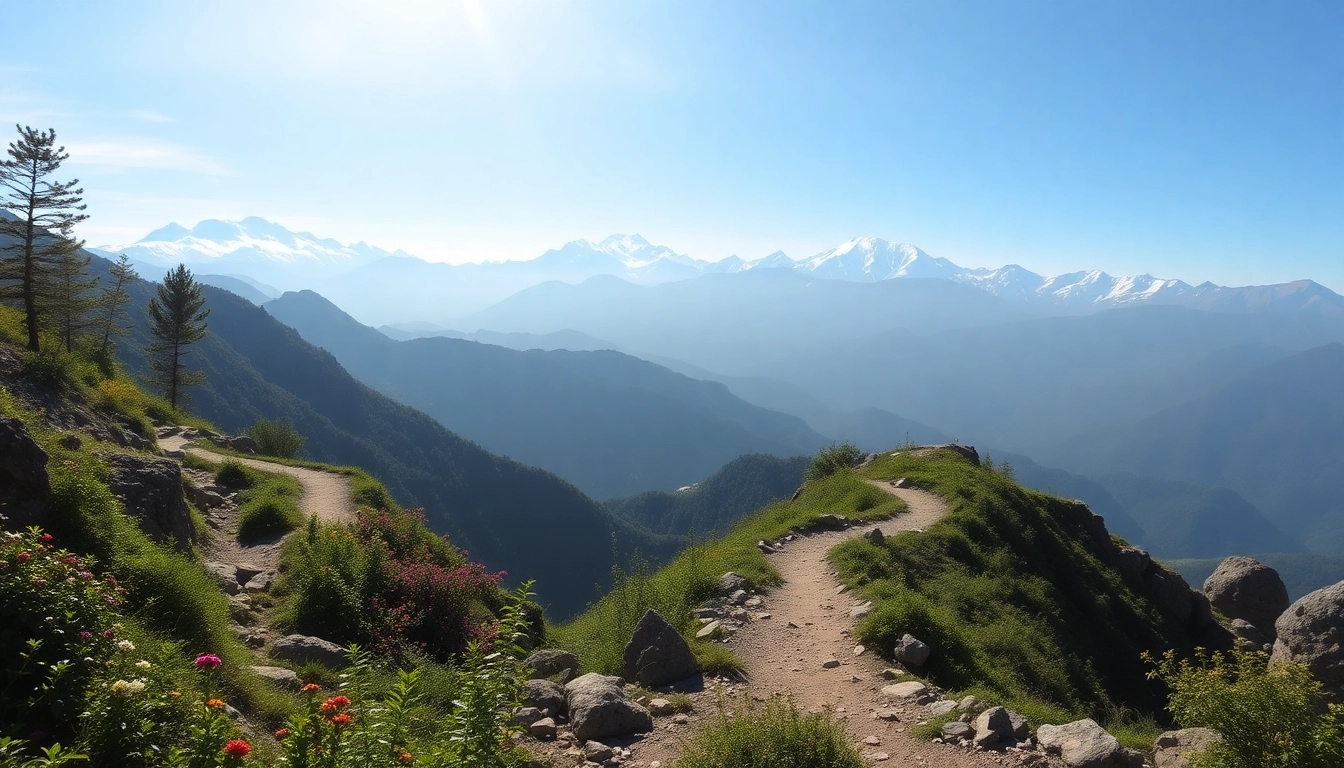
The sandakphu trek is often touted as one of the most breathtaking trekking trails in the Indian Himalayas. Nestled at the border of India and Nepal, this trek promises both adventure and stunning panoramas. With its staggering views of the world’s tallest peaks including Mount Everest and Kanchenjunga, it attracts trekkers from all walks of life, making it a must-visit for adventure enthusiasts and nature lovers alike.
What Makes the Sandakphu Trek Special?
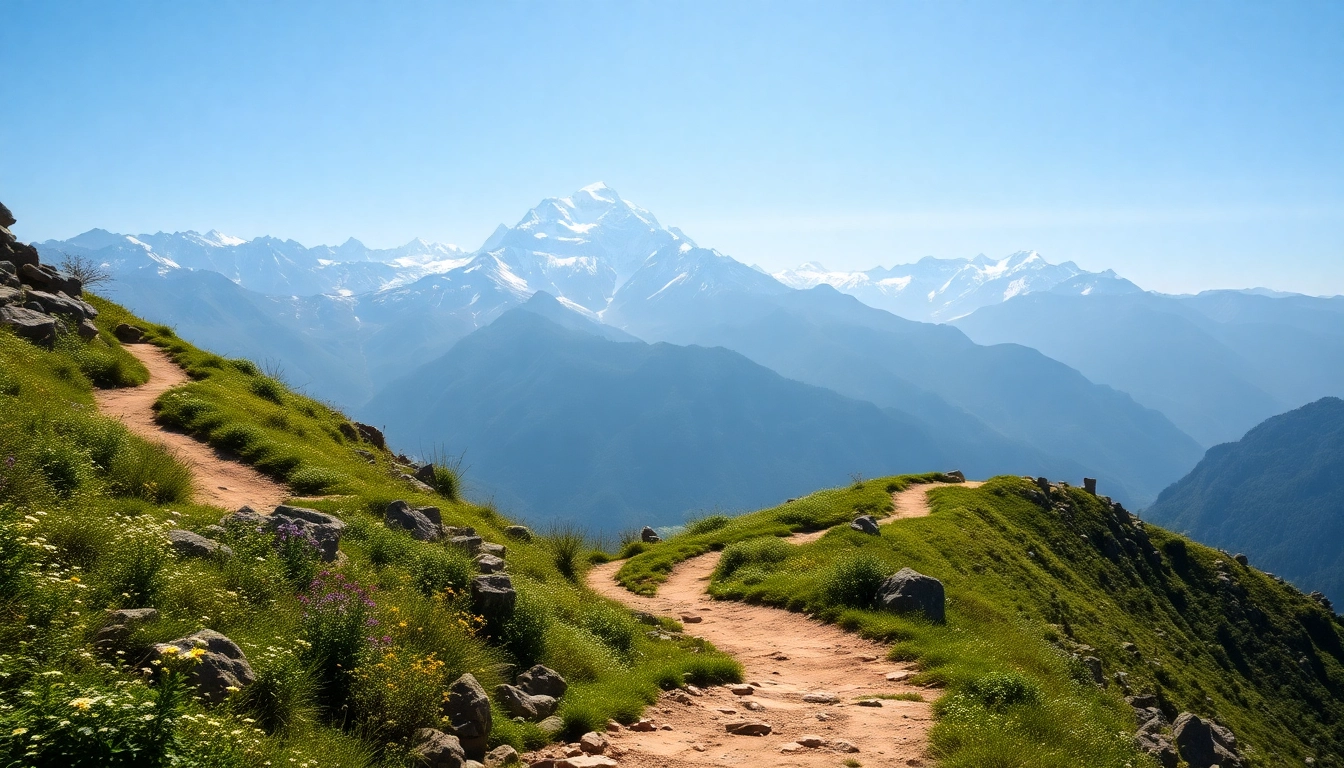
The Sandakphu trek is not just another hiking trail; it is a magical journey that encapsulates the diverse culture, vibrant flora, and fauna, as well as the majestic beauty of the Himalayas. Trekkers are rewarded with spectacular views of the Sleeping Buddha, a mesmerizing array of peaks that includes four of the five tallest mountains on Earth—Mount Everest, Kanchenjunga, Lhotse, and Makalu. The awe-inspiring vistas make every step of this trek worthwhile.
Historical Significance of Sandakphu Trek
Sandakphu has a rich cultural and historical heritage. Traditionally, it served as an important trading route between India and Nepal. Additionally, the area is steeped in local legends and folklore, with stories of the mighty Himalayas passed down through generations of local communities. The historical trails are not just paths of migration but a testament to the age-old connection between the land and its inhabitants.
Overview of the Terrain and Environment
The terrain of the Sandakphu trek features diverse landscapes ranging from lush green forests, quaint villages, and rolling hills to high-altitude meadows and rocky paths. The trail winds through the Singalila National Park, which is home to a variety of flora, including rhododendrons, magnolias, and oak trees, along with rare fauna like the red panda. Varying altitudes create microclimates that support an array of ecosystems, making it a nature lover’s paradise.
Planning Your Sandakphu Trek
Planning is essential for a successful trekking experience. From the best time to venture out to packing the right gear, every detail matters.
Best Time to Undertake Sandakphu Trek
The ideal time to embark on the Sandakphu trek is during the spring (March-April) and autumn (September-November) seasons. These months offer clear skies, moderate temperatures, and breathtaking views. However, winter (December-February) is also appealing for those seeking snow-laden landscapes, while monsoon (June-August) is generally avoided due to heavy rainfall and landslides.
Essential Gear for Sandakphu Trek
Packing the right gear ensures safety and comfort during the trek. Essentials include:
– Trekking boots for rugged terrains.
– Warm layers like thermal wear, fleece jackets, and waterproof jackets.
– Trekking poles for stability on steep paths.
– Sleeping bags suitable for cold weather.
– A hydration system or water bottles to stay hydrated.
– A first aid kit for any medical emergencies.
How to Reach Sandakphu Base Camp
Reaching the base camp of Sandakphu usually involves a combination of road and trek journeys. Trekkers typically start their journey from New Jalpaiguri or Siliguri, traveling to Manebhanjan by taxi or shared jeep. From Manebhanjan, the trek ascends through picturesque landscapes towards Sandakphu, making for an adventure even before the actual trekking begins.
What to Expect on the Sandakphu Trek
Understanding what lies ahead on the Sandakphu trek helps trekkers to prepare mentally and physically for the journey.
Typical Itinerary for Sandakphu Trek
A typical itinerary for the Sandakphu trek spans around 6 to 7 days, covering approximately 50 kilometers round trip from Manebhanjan to Sandakphu. A sample itinerary might include:
– Day 1: Manebhanjan to Chitrey (a warm-up day for trekking)
– Day 2: Chitrey to Meghma, through enchanting forests.
– Day 3: Meghma to Sandakphu, featuring mesmerizing views.
– Day 4: Sandakphu to Phalut, the high point of the trek.
– Day 5: Return trek to Sandakphu.
– Day 6: Descend back to Manebhanjan.
Key Highlights and Viewpoints Along the Trail
Some spectacular highlights along the Sandakphu trek include:
– Buddha Point: An esteemed spot where trekkers can witness stunning sunrises.
– Phalut: The highest point on the trek offers 360-degree views.
– Raimatang: A picturesque meadow dotted with wildflowers, perfect for relaxation.
The breathtaking views from each of these points create lasting memories for trekkers.
Wildlife and Flora in Sandakphu Region
The Sandakphu trek takes you through the Singalila National Park, which is renowned for its rich biodiversity. Trekkers may encounter diverse wildlife including red pandas, barking deer, and various bird species. The region is also famous for its colorful rhododendron flowers that bloom in spring, making the trek even more enchanting. Every step of the trail unveils new charms of nature and a different experience.
Challenges of Sandakphu Trek
While the Sandakphu trek offers awe-inspiring landscapes and fulfilling experiences, it is not without challenges.
Physical Fitness Requirements for Sandakphu Trek
The Sandakphu trek is regarded as moderate in terms of difficulty. A solid level of physical fitness is necessary as trekkers would be traversing through steep climbs and descents. Regular cardio exercises, strength training, and practice hikes can significantly prepare an individual for the trek ahead.
Potential Hazards and Safety Tips
Trekkers may encounter several hazards such as altitude sickness, unpredictable weather, and challenging terrains. To minimize risks:
– Stay hydrated and acclimatize properly to prevent altitude sickness.
– Check weather forecasts regularly.
– Always trek with a group and keep an emergency plan handy.
Weather Conditions on Sandakphu Trek
The weather at higher elevations can be unpredictable, varying from sunny to snowy conditions within hours. In spring and autumn, daytime temperatures can be pleasant, but nights can get chilly, often dropping below freezing. Familiarizing oneself with weather patterns is crucial for preparation.
Frequently Asked Questions about Sandakphu Trek
How Difficult is the Sandakphu Trek?
The Sandakphu trek is rated as moderate, suitable for trekkers with decent fitness levels. Though it features long walking hours and some uphill climbs, it remains approachable for most enthusiastic hikers.
Can Beginners Attempt the Sandakphu Trek?
Yes, beginners can undertake the Sandakphu trek if they are in good physical shape. It is advised to train beforehand to handle the lengthy trails and the physical demands of trekking.
What is the Best Season for Sandakphu Trek?
The best times to experience the Sandakphu trek are March, April, October, and November. These months offer clear skies and moderate temperatures, enhancing the overall trekking experience.
Can You See Mount Everest from Sandakphu?
Yes, from Sandakphu, trekkers can witness four of the highest mountains, including Mount Everest and Kanchenjunga. The viewpoint is one of the most celebrated features of this trek, creating an unforgettable experience.
What is the Average Duration of the Trek?
The average duration for the Sandakphu trek is around 6 to 7 days, encompassing the ascent, descent, and acclimatization periods. The journey allows ample time to take in the awe-inspiring views along the trail.