Understanding Cape Cod Homes
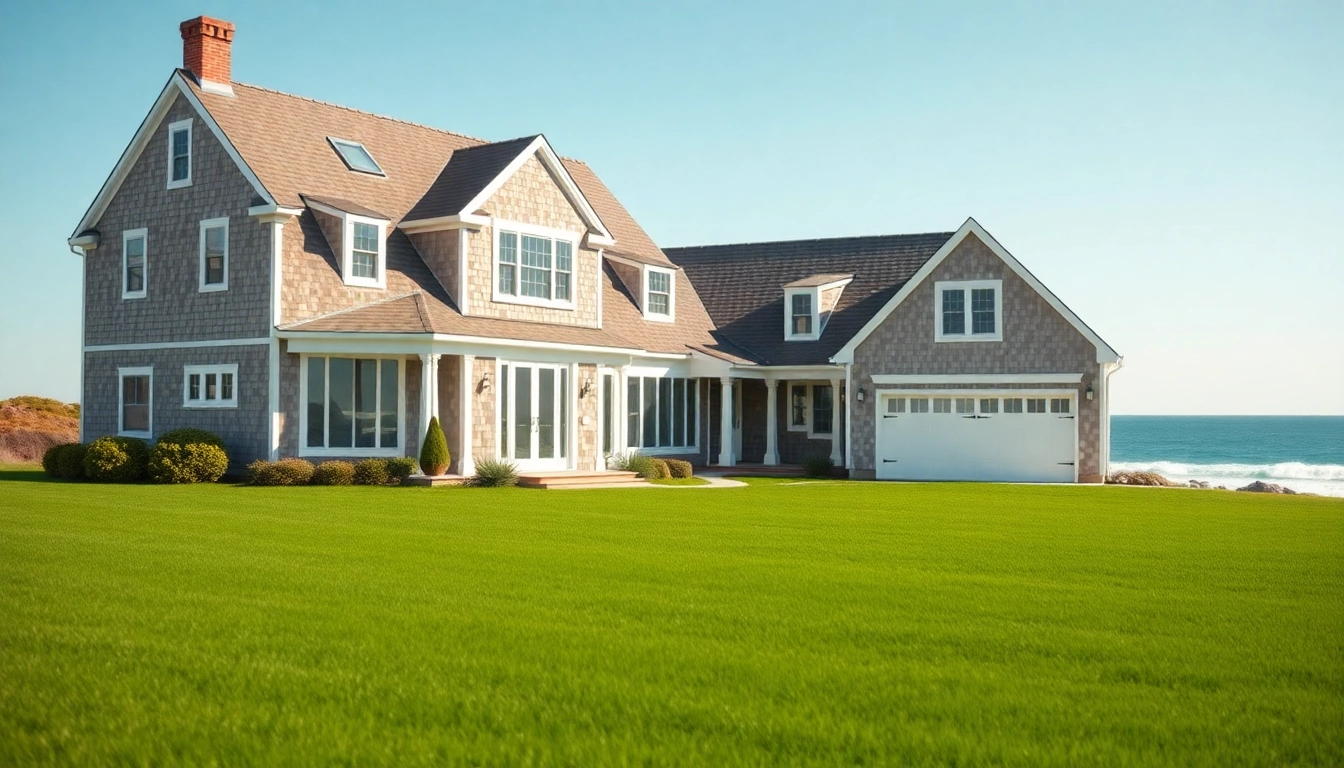
The charm of cape cod homes is universally recognized, with their simplistic elegance and functional designs that hark back to the early colonial period. These homes have been a staple in New England architecture, primarily found in Massachusetts, reflecting a deep-rooted history and a strong connection to the coastal environment. Understanding the significance of these homes allows homeowners to appreciate their unique qualities and make informed decisions regarding renovations and expansions.
Historical Significance of Cape Cod Architecture
Originating in the early 1600s, Cape Cod architecture was designed to adapt to the Northeast’s harsh weather, particularly the high winds and heavy snowfall. The homes were primarily built by early settlers who sought durability and practicality. This architectural style features steep roofs that allow snow to slide off easily, while the symmetrical shape and centrally located doors provide a balanced aesthetic. Throughout the years, these structures have been preserved as an emblem of American history, representative of colonization and the evolution of home building practices.
Key Features of Cape Cod Homes
Typically one to one-and-a-half stories, Cape Cod homes emphasize simplicity and functionality. Common characteristics include:
- Gabled Roof: A steep pitch to the roof aids in shedding snow.
- Dormer Windows: These provide additional light and ventilation while maintaining the distinct roofline.
- Wooden Siding: Painted often in muted tones, the wood enhances a rustic appeal.
- Central Fireplace: Historically, these served as the main source of heat and are a focal point in design.
Popular Variations in Design
While the classic Cape Cod style remains timeless, several variations have emerged to incorporate modern living requirements. These designs might feature:
- Expanded Roof Heights: Adding height to the roof allows for additional living space in an attic or loft.
- Open Floor Plans: Merging traditional designs with modern layouts creates a more inviting interior.
- Extended Porches: Adding porches enhances outdoor living, characteristic of the coastal positioning of these homes.
Benefits of Expanding Cape Cod Homes
Expanding a Cape Cod home can bring myriad benefits that enhance functionality, aesthetic appeal, and property value. As families grow and needs change, expansion can be an optimal choice for adapting to new lifestyles.
Improving Functionality with Attached Garages
Adding an attached garage not only improves the accessibility of vehicles but also combines convenience with design. This integration offers protection against the elements and easy access to the home, making life easier especially during winter months. Additionally, it increases the property’s functionality by offering extra storage space, which is often a premium in traditional Cape Cod homes.
Enhancing Aesthetic Appeal
Expanding a Cape Cod home allows homeowners to enhance its aesthetic while maintaining its historical integrity. Modern designs can incorporate classic elements such as shingle siding and pitched roofs, thus ensuring that the original character of the home remains intact. Features like large windows, decorative trim, and a cohesive color scheme can modernize the home while still paying homage to the traditional look.
Increasing Property Value
Real estate professionals often point out that well-planned expansions can lead to significant increases in property value. By adding functional spaces such as bedrooms, bathrooms, or garages, homeowners can increase square footage that appeals to potential buyers. Therefore, thoughtful expansion plans should consider current trends in home buying, such as desires for ample storage and outdoor living spaces.
Design Ideas for Your Cape Cod Home Expansion
Thinking creatively about your home’s expansion can lead to wonderful opportunities for improvement and personalization. Whether you’re focusing on a garage, an extension of the living space, or a new outdoor area, the design plays a crucial role.
Creative Layouts for Attached Garages
A well-designed attached garage can increase your home’s usability enormously. Consider layouts that minimize the visual impact of the garage while maximizing space. Options like side-entry garages blend seamlessly into the home’s profile, and can be camouflaged with landscaping. Innovative storage solutions within the garage can also help maintain an organized and sleek appearance.
Maximizing Natural Light
Incorporating large windows, skylights, and glass doors can significantly enhance the natural light within expanded spaces. By focusing on how light enters the home, designers can create an inviting atmosphere that connects indoor and outdoor environments. Natural light not only improves aesthetics but also impacts the well-being of the inhabitants by creating a more positive living environment.
Eco-Friendly Design Considerations
As the demand for sustainable living practices increases, sustainable design in expansions has become crucial. Homeowners should consider using renewable resources such as bamboo flooring, recycled materials, and energy-efficient appliances. Additionally, integrating solar panels and rainwater harvesting systems can further enhance the eco-friendliness of a Cape Cod home expansion.
Best Materials to Use in Cape Cod Home Renovations
Choosing the right materials is fundamental in preserving the aesthetic and functionality of Cape Cod homes. The materials selected not only affect the appearance but also the durability and maintenance of the structure.
Durable Siding Options
Wooden siding remains a popular choice, but there are newer, more durable alternatives available. Fiber-cement siding, for example, provides the classic look of wood but with superior longevity and lower maintenance. This is particularly relevant given Cape Cod’s coastal climate. Homeowners should consider the balance between aesthetics and weather resilience when choosing siding materials, as this impacts both appearance and longevity.
Energy-Efficient Windows
With advancements in window technology, homeowners can now choose double- or triple-pane glass windows with argon gas fills or low-e coatings that provide better thermal insulation. This not only enhances energy efficiency but also improves comfort levels throughout the home. Furthermore, strategically placing larger windows can capitalize on views while maximizing natural light.
Beautiful Landscape Choices
Outdoor spaces should complement the architecture of the home. Native plants require less water and maintenance, fitting seamlessly into the environment. Hardscaping with natural stone paths, patios, and retaining walls can enhance the aesthetic appeal while contributing to functional outdoor areas. Landscapes should be designed to be both beautiful and practical, acting as an extension of the home.
Frequently Asked Questions about Cape Cod Homes
What defines a Cape Cod home?
A Cape Cod home typically features a steep roof, dormer windows, and wooden siding. Its design is simple yet elegant, ideal for coastal settings.
How do I enhance the value of my Cape Cod home?
Enhancements like adding an attached garage or modern amenities can significantly increase your Cape Cod home’s market value.
What is the average cost of expanding a Cape Cod home?
Costs vary widely, but budget for $100 to $200 per square foot, depending on materials and labor for your Cape Cod home expansion.
Are there eco-friendly options for Cape Cod home renovations?
Yes, consider using sustainable materials like reclaimed wood, energy-efficient windows, and low-impact landscaping to enhance eco-friendliness.
How can I maintain the traditional look of my Cape Cod home?
Use traditional materials, such as shingle siding and classic colors, while incorporating modern comforts for a perfect blend in your Cape Cod home.