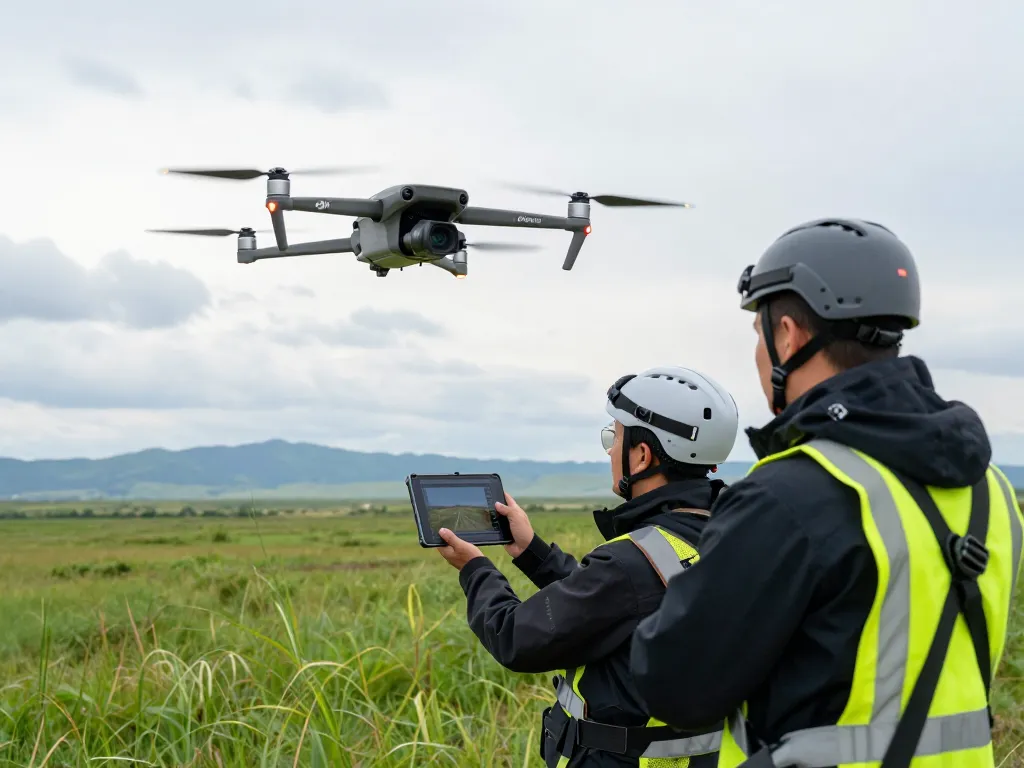
Introduction to the Mavic 3T
The DJI Mavic 3T has rapidly gained traction as a powerhouse in the drone industry, particularly in the realm of enterprise applications. Designed with versatility and performance in mind, this thermal drone is tailored for professionals in various fields, including public safety, inspections, and agricultural operations. The mavic 3t stands out due to its unique capabilities, which combine advanced imaging technology with user-friendly controls, making it an invaluable tool for those needing precise data collection from the skies.
What Sets the Mavic 3T Apart?
The Mavic 3T differentiates itself from its competitors through its dual camera system, which includes both a high-resolution optical camera and a sophisticated thermal imaging solution. This combination allows operators to tackle a variety of tasks, from search and rescue missions to detailed infrastructure inspections. Furthermore, its lightweight design and impressive flight time enhance its usability in field scenarios, allowing professionals to work more efficiently and effectively.
Key Features of the Mavic 3T
- High-Resolution Imaging: Equipped with a 48MP wide-angle camera and a thermal camera with 640×512 resolution, the Mavic 3T ensures that users capture detailed images even in challenging conditions.
- Extended Flight Time: With a maximum flight time of 45 minutes, this drone minimizes the need for frequent battery changes, an essential feature for extensive missions.
- Advanced Sensors: The thermal camera is equipped with features such as point and area temperature measurement, high temperature alerts, and customizable color palettes, enhancing its operational versatility.
- Robust Control Features: With OcuSync 3.0 technology, users experience strong connectivity, enabling real-time video transmission and reliable control over long distances.
Applications Across Various Industries
The versatility of the Mavic 3T makes it suitable for multiple sectors:
- Public Safety: First responders utilize the thermal imaging capabilities of the Mavic 3T during search and rescue operations, allowing them to locate individuals in low visibility conditions.
- Inspection Services: Companies in utilities, telecommunications, and construction employ this drone for inspecting infrastructure such as power lines, roofs, and pipelines, enhancing both safety and efficiency.
- Agricultural Monitoring: Farmers and agronomists can use the thermal camera to monitor crop health, assess irrigation systems, and identify areas that require attention, ultimately improving yield and reducing costs.
Technical Specifications
Camera Capabilities and Thermal Imaging
The Mavic 3T features a dual-camera setup that includes an impressive 48MP wide-angle camera and a thermal camera capable of resolving 640×512 pixels. This dual functionality allows users to switch seamlessly between visual and thermal imaging, providing crucial data for various applications. Its thermal camera also supports multiple imaging modes, enhancing its ability to detect anomalies and temperature variations.
Flight Performance and Battery Life
With a robust flight capability, the Mavic 3T can achieve altitudes of up to 6,000 meters above sea level. Coupled with its impressive 45-minute flight time, this drone ensures users can cover significant ground without the constant need for recharging. Additionally, its wind resistance and stability give it an edge in adverse weather conditions, making it reliable for outdoor operations.
Connectivity and Control Features
Using OcuSync 3.0 technology, the Mavic 3T achieves an impressive transmission range of up to 15 kilometers, allowing for optimal control and real-time video feed. Its user-friendly interface on the remote controller and compatibility with the DJI Fly app further enhance pilot experience, offering an assortment of flight modes and customizable settings for tailored operations.
Operational Insights
Best Practices for Using the Mavic 3T
To maximize the effectiveness of the Mavic 3T, operators should familiarize themselves with the drone’s technological features and operational interface. Conducting thorough pre-flight checks, including battery levels, camera settings, and software updates, is crucial before embarking on any mission. Additionally, utilizing the drone’s automated flight paths can help ensure consistency and accuracy in capturing data.
Safety Guidelines During Operations
Safety is paramount when operating drones. Operators should always adhere to local regulations regarding airspace and privacy. Maintaining a visual line of sight with the drone and staying aware of surroundings, including potential obstacles and bystanders, will help mitigate risks. Additionally, pilots are encouraged to undergo proper training to handle the drone safely and effectively.
Common Challenges and Solutions
Despite its advanced design, operators may encounter challenges such as loss of signal or battery failure during flight. To address these concerns, it’s vital to regularly update software and firmware to enhance stability and connectivity. Understanding the drone’s fail-safe protocols, like Return-to-Home (RTH) functions, can provide peace of mind during unexpected situations.
Comparative Analysis
Mavic 3T vs. Competitors in 2026
As of 2026, the Mavic 3T remains a formidable competitor in the thermal drone market. Compared to other models such as the Parrot Anafi USA and the Skydio X2, the Mavic 3T excels in imaging capabilities and flight duration. Its ability to integrate both optical and thermal imaging in a compact design provides a unique advantage that appeals to diverse user groups.
Price vs. Performance: What to Expect
The price point for the Mavic 3T is competitive, particularly when considering its feature set and the quality of outputs it provides. While some competitors may offer lower-cost alternatives, the overall performance and reliability of the Mavic 3T justify its investment. Users can expect exceptional return on investment through enhanced operational efficiency and expanded capabilities.
Use Case Scenarios for Different Drones
When comparing use case scenarios, the Mavic 3T stands out in operations requiring detailed imaging and environmental assessments. In contrast, models like the DJI M30T serve better for more complex industrial applications. Understanding the unique strengths of each drone can guide users in selecting the best tool for their specific requirements.
Future Trends in Drone Technology
Innovations Expected in the Mavic Series
As drone technology evolves, users can anticipate further advancements in the Mavic series. Future iterations may include enhanced AI capabilities for automated inspections and more sophisticated thermal imaging technologies. These innovations will likely focus on improving operational efficiency, data accuracy, and ease of use for professionals across various sectors.
The Role of AI in Drones by 2026
Artificial Intelligence is poised to play a transformative role in the drone industry by 2026. Features such as object recognition, automated flight planning, and predictive analytics could become standard in future Mavic models. Integrating AI capabilities will enhance decision-making processes for operators, allowing them to focus on strategic tasks rather than manual controls.
Market Predictions and User Needs
As the demand for drones continues to rise, users will increasingly seek devices that offer greater flexibility and adaptability. In response, manufacturers like DJI are expected to enhance their offerings, ensuring that products like the Mavic 3T evolve to meet the changing needs of various industries, from public safety to agriculture and environmental monitoring.
What is the Mavic 3T used for?
The DJI Mavic 3T is utilized for a myriad of applications, primarily in public safety, infrastructure inspection, and agricultural monitoring. By combining high-quality imaging with thermal capabilities, it serves as a versatile tool for professionals needing detailed data collection in challenging environments.
When was the Mavic 3T released?
DJI released the Mavic 3T on September 27, 2022, as part of its Enterprise series, designed specifically for commercial and industrial applications.
Is the DJI Mavic 3 discontinued?
As of 2026, the Mavic 3 series is not currently discontinued; however, DJI has announced plans to introduce new models, suggesting that the Mavic 4 series may be on the horizon, which could affect the current market for the Mavic 3T.
What is the quality of the Mavic 3T camera?
The Mavic 3T is equipped with a dual-camera system featuring a 48MP wide camera and a thermal camera that provides high-resolution images and various thermal imaging functions. This makes it a powerful tool for professionals who need precise data for decision-making.
Where can I buy the Mavic 3T?
The Mavic 3T is available for purchase through various online retailers, drone specialty shops, and DJI’s official website. It’s advisable to compare prices and offerings to ensure you receive the best deal and support for your investment.