Understanding Event Videography
What is Event Videography?
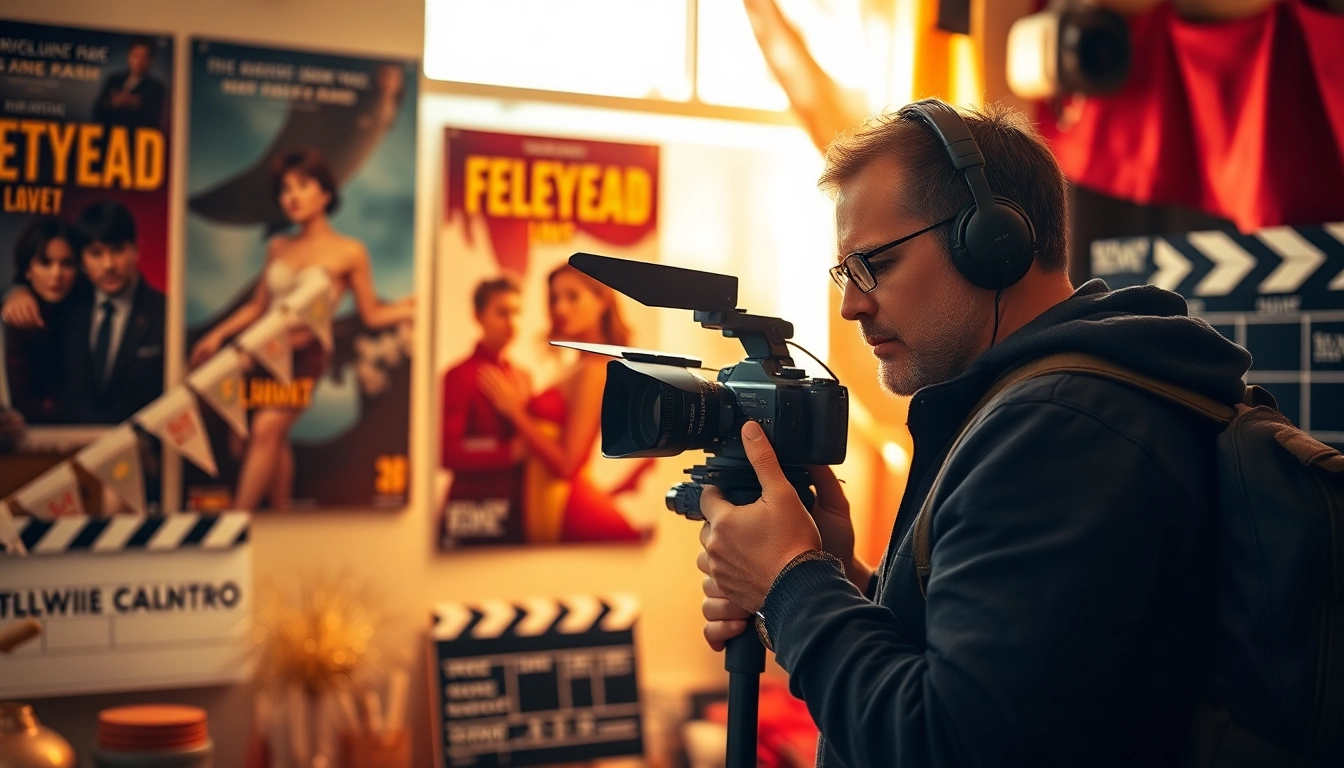
Event videography is the art and practice of capturing video footage at various occasions, ranging from weddings and corporate gatherings to concerts and festivals. This specialized form of videography immerses viewers in the action, creating an engaging representation of live events. By leveraging professional techniques, videographers can encapsulate the essence of an event, preserving memories for both hosts and guests alike. In an age where visual content dominates social media and marketing strategies, Event videography has become a vital component for emotional storytelling and brand promotion.
The Importance of Professional Event Videography
Professional event videography serves multiple purposes; it not only documents an event but also enhances its significance through high-quality visuals and sound. Captured footage can be used for promotional content, social media, or even shared with participants for personal keepsakes. The ability to accurately represent the tone, energy, and moments of an event provides a lasting memory, allowing both organizers and attendees to relive the experience. Furthermore, professional videographers are equipped to deal with the unpredictable nature of live events, ensuring that every critical moment is captured seamlessly.
Types of Events Requiring Videography
Various events necessitate the expertise of a skilled videographer, each requiring a unique approach to capture the essence of the occasion.
- Weddings: Capturing the emotions and key moments throughout the day.
- Corporate Events: Documenting conferences, product launches, and team-building activities for internal and external communications.
- Conferences and Seminars: Delivering keynotes and sessions to wider audiences via recorded content.
- Festivals and Concerts: Showcasing performances and enhancing the online presence for future attendance.
- Family Celebrations: Recording milestones such as birthdays, anniversaries, and family reunions that will be cherished for years.
Essential Equipment for Event Videography
Cameras: Choosing the Right Gear
Selecting the right cameras is crucial for capturing high-quality video. Factors such as sensor size, lens compatibility, and low-light performance play a significant role in the outcome. While DSLR and mirrorless cameras are popular choices for their versatility and video capabilities, camcorders and action cameras also have their place in specific scenarios. High-definition resolution is essential (1080p or 4K), along with stabilization options to reduce shakes during dynamic shoots.
Audio Equipment for Clear Sound
Audio quality can make or break a video. For event videography, utilizing external microphones, such as lavalier mics for speakers and shotgun mics for ambient sound, enhances the overall production. Mixing audio levels and ensuring clarity through proper equipment selection and placement is crucial to ensuring the best viewer experience. Additionally, portable recorders can help manage audio independently from the camera, providing flexibility in post-production.
Lighting Tools to Enhance Your Shots
Even the best cameras can struggle in poor lighting conditions. Therefore, investing in portable lighting solutions, such as LED panels or softboxes, can significantly improve video quality. Understanding how to manipulate natural light and utilizing reflectors and diffusers can help create a professional look. During events, adaptability is key; being able to quickly adjust lighting setups can enhance footage quality dramatically.
Planning Your Event Videography Shoot
Creating a Detailed Shot List
A well-thought-out shot list is essential for ensuring that all important moments are captured during an event. This list should be tailored to each event’s unique elements, including key speakers, performances, and audience interactions. By collaborating with event coordinators, videographers can identify must-have shots, reducing the chances of missing any critical moments and enabling a smoother shooting process.
Coordinating with Event Planners and Clients
Effective communication with event planners and clients is vital before the event. Understanding the client’s vision, expectations, and any specific moments they want to capture fosters a collaborative environment. Regular check-ins leading up to the event can clarify any evolving needs and allow for adjustments in planning. Providing a briefing on back-end operations and the filming process helps everyone understand their roles during the event.
Scouting and Preparing Locations
Location scouting is an integral part of the planning phase that ensures ideal shooting conditions. Assessing the venue ahead of time enables videographers to identify key areas for capturing footage, plan for lighting needs, and take note of any potential obstacles. Planning for contingencies such as inclement weather or large crowds also helps in maintaining the intended shooting schedule.
Techniques for Capturing Engaging Footage
Framing and Composition Tips
Aesthetic framing and composition are foundational elements of effective videography; employing techniques such as the rule of thirds, leading lines, and depth of field can enhance visual storytelling. Engaging compositions attract viewers’ attention, allowing them to stay focused on the content and appreciate the captured moments. Experimenting with shot sizes (close-ups, mid-shots, and wide shots) can add variety and maintain audience interest throughout the video.
Utilizing Different Angles and Perspectives
Employing different angles and perspectives allows storytellers to add emotional depth and interest to their footage. Using high and low angles can impact the perceived importance of subjects, while wide establishing shots provide context to the event’s environment. Dynamic camera movements, such as panning and tracking, can create an immersive experience, bringing viewers closer to the action.
Storytelling Through Videography
At its core, effective event videography is about storytelling. Crafting a narrative arc from the footage—introducing the context, building up to peak moments, and resolving with a conclusion—helps engage viewers in a meaningful way. Highlighting key interactions, emotions, and reactions throughout the event contributes to a richer representation of the experience, turning raw footage into an emotionally compelling story.
Post-Production: Bringing Your Vision to Life
Editing Techniques for Event Videography
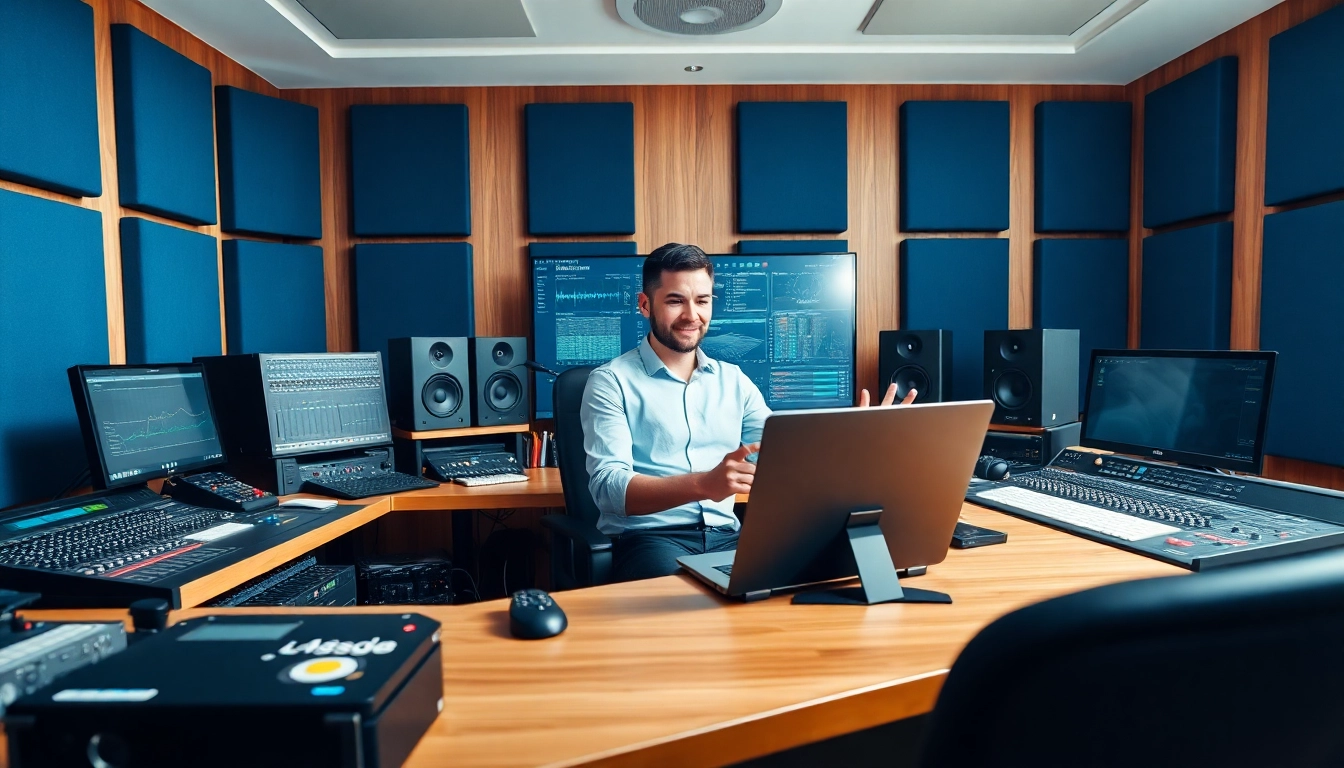
Post-production is where the magic happens; this stage involves assembling the captured footage into a cohesive video. Editing techniques, such as color correction, cutting unnecessary content, and incorporating transitions, play a critical role in enhancing the finished product’s flow and aesthetics. Utilizing editing software that supports advanced features allows videographers to push the boundaries of their creativity, creating a polished final product that effectively captures the event’s essence.
Adding Music and Effects
Incorporating music and sound effects can significantly elevate an event video. The right soundtrack not only complements the visuals but also evokes emotions and sets the overall tone. It’s essential to utilize royalty-free music or obtain the necessary licenses for commercial use. Sound effects can add energy and help accentuate important moments, enriching the storytelling experience by connecting with the audience on a sensory level.
Delivering the Final Product to Clients
After the final edits are completed, delivering the product professionally is crucial. Providing clients with multiple formats, including high-definition files and online viewing options, can enhance their experience and satisfaction. Creating a highlight reel along with a full-length video may appeal to different preferences, enabling clients to choose how they wish to share the experience. Ensuring timely delivery while allowing for feedback opportunities contributes to a positive client relationship.
FAQs About Event Videography
What is event videography?
Event videography is the process of recording and producing video content at various events, such as weddings, corporate gatherings, and concerts, capturing important moments for memories or marketing purposes.
Why is professional videography important?
Professional videography ensures high-quality visuals and sound, accurately capturing the essence of events. It creates lasting memories and can be used for promotional materials, enhancing the overall impact.
What equipment do I need for event videography?
Essential equipment includes quality cameras (DSLR or mirrorless), audio equipment (microphones), and lighting tools to ensure great visuals and sound quality during the event.
How do I plan for an event videography shoot?
Planning involves creating a detailed shot list, coordinating with event planners, and scouting locations to identify the best settings for capturing key moments effectively.
What are some common editing techniques?
Common editing techniques include color correction, cutting down footage for flow, using transitions, and integrating music and sound effects to enhance the narrative of the event video.