Introduction to Mitsubishi Mini Split AC Systems
As summer approaches, finding effective means to cool down our living spaces becomes a priority. In this context, the mitsubishi mini split ac system has garnered considerable attention. These innovative systems offer versatility and efficiency, making them a popular choice among homeowners aiming for ultimate comfort. This article will delve into the fundamentals of Mitsubishi mini split AC units, how they work, their installation procedures, maintenance tips, and frequently asked questions.
What is a Mitsubishi Mini Split AC?
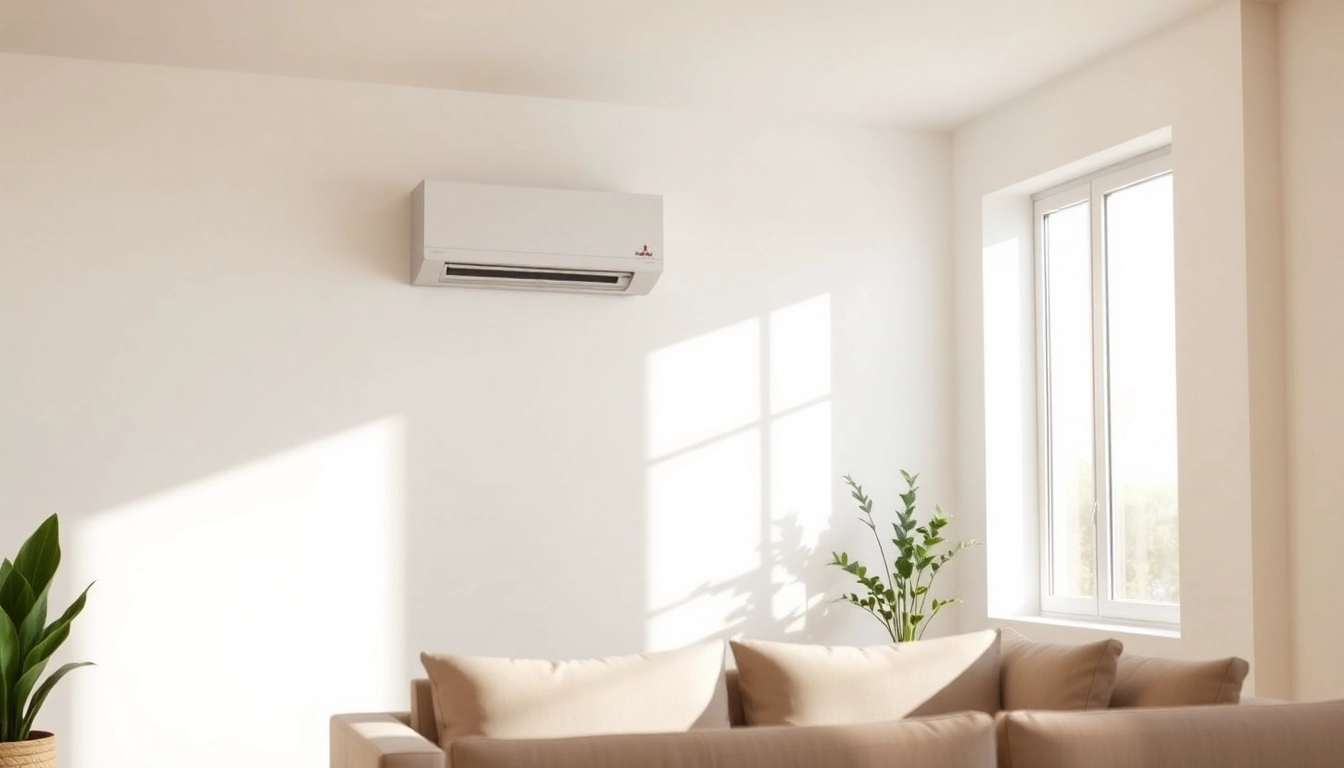
Mitsubishi mini split AC systems are ductless air conditioning units that provide cooling and heating options through individual units mounted in various locations throughout the home or business. Unlike traditional HVAC systems that rely on ductwork to distribute air, mini splits consist of an indoor unit and an outdoor unit connected by refrigerant lines and electrical wiring. This setup allows for localized temperature control, meaning you can cool or heat specific areas as needed.
Key Benefits of Mitsubishi Mini Split AC Systems
The Mitsubishi mini split AC system stands out due to its numerous advantages:
- Energy Efficiency: Mini splits operate on inverter technology, allowing them to adjust their output based on the temperature of the room, reducing energy consumption.
- Flexible Installation: These systems do not require ductwork, offering more options for installation in both new and existing structures.
- Quiet Operation: Indoor units are designed to operate quietly, enhancing comfort without disruption.
- Zoning Capability: Each mini split unit can be controlled independently, allowing for customized climate control in different areas of your home.
- Improved Indoor Air Quality: Since they do not use ducts, mini splits minimize dust and allergens circulating in your home, leading to cleaner air.
Understanding the Components of Mini Split ACs
To comprehend the functionality of Mitsubishi mini split AC systems, it’s essential to understand their key components:
- Indoor Unit: This is the part installed indoors, responsible for blowing cooled or heated air into the room.
- Outdoor Unit: Positioned outside, it houses the compressor, condensing coil, and fan, responsible for dissipating heat absorbed by the refrigerant.
- Refrigerant Lines: These insulated lines carry refrigerant between the indoor and outdoor units, facilitating heat exchange.
- Thermostat: Often part of the indoor unit, it detects the room’s temperature and adjusts the system’s operation accordingly.
How Mitsubishi Mini Split AC Works
Basic Functionality Explained
The Mitsubishi mini split AC functions through a simple yet effective refrigeration cycle. The outdoor unit absorbs heat from the outside air, which is then transferred to the refrigerant inside the system. The compressor in the outdoor unit then compresses the refrigerant, increasing its temperature and pressure. This high-temperature refrigerant is pumped into the indoor unit, where it passes through the evaporator coil, releasing its heat into the room. The cooled air is then blown into the room, while the refrigerant returns to the outdoor unit to repeat the cycle.
Energy Efficiency of Mitsubishi Mini Split ACs
Energy efficiency is one of the primary advantages of Mitsubishi mini split AC systems. These units use inverter technology, allowing the compressor to operate at variable speed rather than only on or off. This feature means they can maintain a consistent temperature while using less energy compared to traditional systems, which can lead to significant savings on energy bills. Moreover, many Mitsubishi units are rated highly in terms of SEER (Seasonal Energy Efficiency Ratio), further emphasizing their efficiency.
Comparing Ductless and Ducted Systems
When considering cooling options, understanding the differences between ductless and ducted systems can influence your decision:
- Ductless Systems: Feature low-profile indoor units that do not require extensive ductwork. They are easier to install, more energy-efficient, and excellent for heating/cooling specific zones.
- Ducted Systems: Utilize a network of ducts to distribute air throughout the building. They can provide whole-home comfort but may result in higher energy costs due to air loss through ductwork.
For many homeowners, the advantages of ductless systems like the Mitsubishi mini split AC are compelling, especially when considering installation versatility and operational efficiency.
Installation Process for Mitsubishi Mini Split AC
Preparing for Installation
Before installing a Mitsubishi mini split AC system, proper planning is essential. Assess your space to determine the correct size and number of units needed based on factors like room size, usage, and layout. It’s also crucial to choose the right location for both indoor and outdoor units to maximize efficiency and aesthetics. Consider factors such as direct sunlight, accessibility for maintenance, and airflow obstacles when finalizing positions.
Step-by-Step Installation Guide
Installing a Mitsubishi mini split AC can be done by professionals or confident DIYers. Here’s a basic outline of the installation process:
- Mount the Indoor Unit: Use brackets to securely mount the indoor unit on the wall, ensuring it is level and within reach of electrical connections.
- Install the Outdoor Unit: Position the outdoor unit on a concrete pad or wall bracket, ensuring it is stable and has airflow clearance.
- Connect Refrigerant Lines: Install and insulate the refrigerant lines through a small hole in the wall connecting the indoor and outdoor units.
- Electrical Connections: Connect the electrical wiring from the indoor unit to the outdoor unit following local codes, ensuring safe and compliant setups.
- Charging the System: Open the refrigerant valves to charge the system and ensure proper operation.
- Testing: Power on the system and test the operation of both indoor and outdoor units.
Post-Installation: What to Expect
Once installed, you should expect your Mitsubishi mini split AC system to operate efficiently, providing targeted heating and cooling as needed. Make sure to familiarize yourself with the remote control functions and installation settings. Regular monitoring of unit performance is necessary to catch any potential issues early.
Maintenance Tips for Optimal Performance
Cleaning and Upkeep of Mitsubishi Mini Split AC
Keeping your Mitsubishi mini split AC in excellent condition requires regular maintenance:
- Clean the Filters: Air filters should be cleaned or replaced every month during high usage seasons to ensure optimal airflow and air quality.
- Inspect the Outdoor Unit: Regularly check the outdoor unit for debris, such as leaves and dirt, which can hinder performance. Clear the area around the unit to prevent obstruction.
- Check the Drain Lines: Ensure the condensate drain line is clear to prevent blockages and potential water damage.
Common Troubleshooting for Homeowners
Occasionally, homeowners may encounter issues with their Mitsubishi mini split AC units. Common problems include:
- Inconsistent Airflow: This can indicate a dirty filter or blockage in the ducts.
- Unusual Noises: If your unit is making strange sounds, it may require professional inspection. It could be a loose fan or foreign object in the unit.
- Not Cooling Properly: Check refrigerant levels and ensure that the outdoor unit is not obstructed.
When to Call a Professional
While many maintenance tasks can be handled by homeowners, there are specific signs that indicate it’s time to call a professional. If you notice a refrigerant leak, persistent unusual noises, or if your unit is not responding to your thermostat, seek expert service. Professional technicians have the tools and expertise to diagnose and rectify complex issues effectively.
FAQs About Mitsubishi Mini Split AC
What size Mitsubishi mini split AC do I need?
The size needed depends on the room’s square footage, ceiling height, and insulation quality. Consulting a sizing guide or professional can ensure you select a unit with the right cooling capacity.
How often should I service my Mitsubishi mini split AC?
It is recommended to have your Mitsubishi mini split AC serviced at least once a year to ensure optimal performance and extend its lifespan. Regular cleaning and check-ups also help maintain efficiency.
Can I install a Mitsubishi mini split AC myself?
While some individuals can install a mini split themselves, professional installation is advised. Proper installation affects efficiency and warranty compliance, and certified technicians ensure the system operates effectively.
What is the lifespan of a Mitsubishi mini split AC?
With proper maintenance, a Mitsubishi mini split AC can last between 12 to 15 years. Regular servicing and timely repairs can extend the lifespan of the unit.
How energy efficient are Mitsubishi mini split AC units?
Mitsubishi mini split AC units are highly energy-efficient, often achieving SEER ratings ranging from 16 to 30, depending on the specific model. Their inverter technology enables lower energy consumption compared to traditional systems.