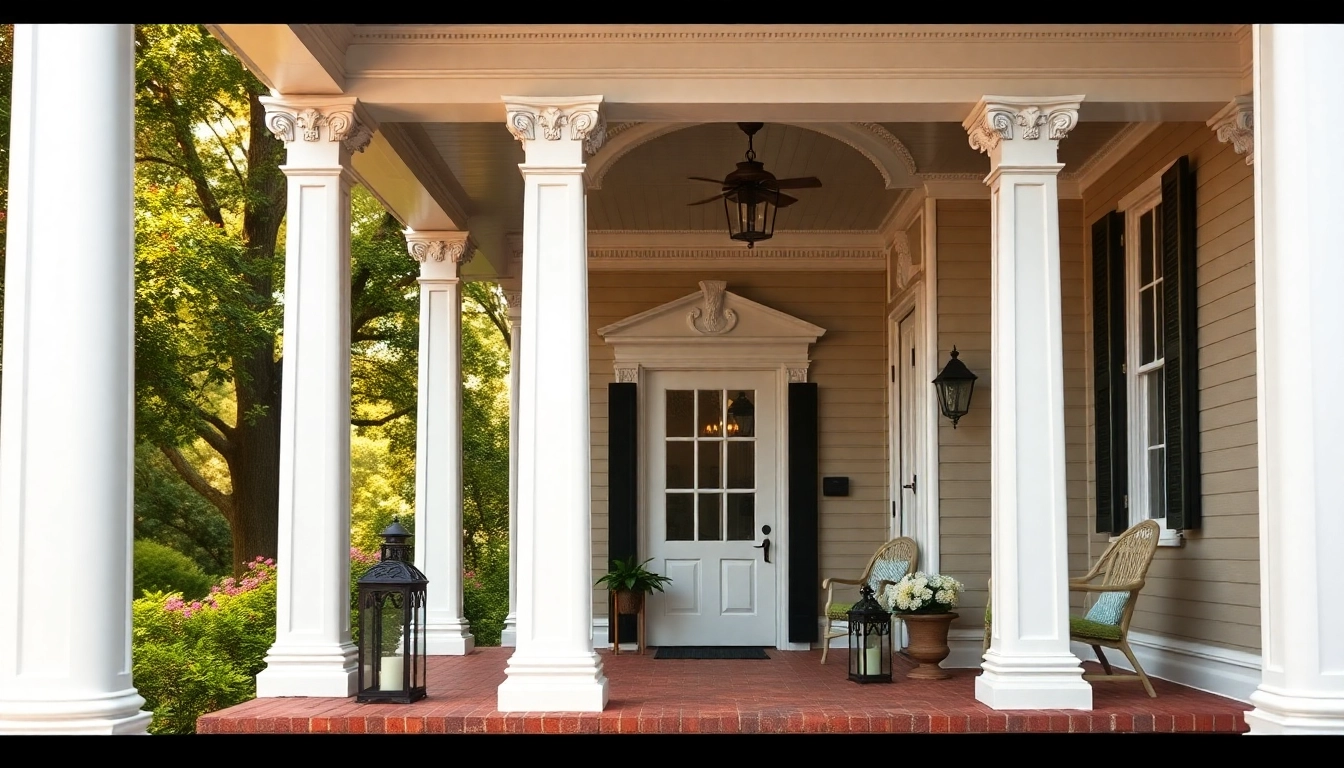
The Essence of Colonial Home Renovation
Colonial homes evoke a sense of history and elegance, characterized by their distinctive architectural styles that range from Georgian to Federal and Cape Cod. Engaging in a colonial home renovation comes with an array of unique considerations that extend beyond typical home renovations. This guide explores the nuances of colonial architecture, key principles for renovation, and the fundamental importance of historical accuracy in restoring these timeless structures.
Understanding Colonial Architecture
Colonial architecture reflects the early settlements of America, drawing heavily from European styles, especially English, Spanish, and Dutch influences. Common features include symmetrical facades, evenly spaced windows, and a central entrance. Roof styles like gable, hipped, and gambrel add to the visual appeal. This historical context is essential in guiding renovations to ensure the updated structure remains true to its roots while meeting modern living standards.
Key Renovation Principles
When embarking on a colonial home renovation, certain principles should guide the process:
- Preservation First: Prioritize repairing and preserving original features rather than replacing them.
- Authenticity: Use historically accurate designs and materials to honor the original architecture.
- Functionality: Integrate modern conveniences without compromising the home’s character.
Staying true to these principles sets a solid foundation for a successful renovation, cultivating a seamless blend of history and modernity.
The Importance of Historical Accuracy
Historical accuracy is paramount when renovating colonial homes. This not only helps maintain the structure’s integrity but also preserves its value. For instance, using the same window styles, roofing materials, and paint colors common to the period can make a substantial difference in the home’s aesthetic and market worth. Researching the architectural style specific to your region can also provide valuable insights and help make informed decisions.
Planning Your Colonial Home Renovation
Setting a Realistic Budget
A well-crafted budget is the backbone of any successful renovation project. Start by assessing the costs associated with materials, labor, and potential unforeseen issues. Colonial homes often require specialty craftsmen, which may drive costs higher. Allocate a contingency fund of 10-20% of the projected budget for surprises that may arise during the renovation.
Choosing the Right Materials
Material selection is critical in preserving the historical aspects of colonial homes. Research period-appropriate options for roofing, siding, flooring, and fixtures. For example, wood siding and slate roofs were common in the colonial era, whereas modern synthetic materials would detract from the original charm. Prioritize durability and sustainability, ensuring material longevity alongside authenticity.
Creating a Renovation Timeline
A realistic timeline is essential for managing expectations and progress. Break the project into phases, from planning and approvals to demolition and reconstruction. Allow buffers for potential delays, particularly related to sourcing antique materials or permits specific to historic renovations. Communication with your project manager or contractor is essential to adhere to the schedule.
Designing Your Renovation
Integrating Modern Amenities
Modern amenities can enhance the functionality of colonial homes without sacrificing their traditional aesthetics. This can involve upgrading electrical systems, plumbing, and heating. Creative solutions like hidden outlets, energy-efficient windows, and discreet placement of heating elements ensure the home remains livable while upholding its historic character.
Preserving Architectural Integrity
Preservation of architectural integrity is vital. Features such as molding, trim, and staircases should be retained and restored whenever possible. In cases where changes are necessary, aim to replicate historical elements as closely as possible to avoid disrupting the home’s visual balance. Consulting with preservation specialists can provide additional insights.
Color Schemes and Finish Selection
Color plays a pivotal role in restoring colonial homes. Period-appropriate colors can evoke the era’s spirit; earth tones, muted greens, and rich reds are classic choices. Research original color palettes used in your particular colonial style and apply them thoughtfully to both interior and exterior spaces. Textures in finishes—like matte versus gloss—can further accentuate historical details.
Contractor Selection and Management
Finding Qualified Professionals
Choosing contractors experienced in historic renovations is crucial. Seek out professionals with a track record of working on colonial homes, as they will better understand the nuances involved. Always check references, review portfolios, and confirm knowledge of local building codes related to historical preservation.
Collaboration and Communication
Effective collaboration and communication between homeowners and contractors can make or break a renovation project. Hold regular meetings to discuss progress, challenges, and any adjustments needed. Transparent dialogue cultivates trust and ensures everyone remains on the same page throughout the process.
Managing the Renovation Process
Managing a renovation requires diligence and oversight. Keeping organized records of decisions, expenses, and communications can help avert misunderstandings. Frequent site visits allow homeowners to monitor progress and address concerns immediately, ensuring the project maintains momentum and quality standards.
Post-Renovation: Maintenance and Improvements
Maintaining Historical Elements
Ongoing maintenance of historical elements is essential for longevity. Regular inspections, especially of original woodwork, roofing, and masonry, can spot issues before they escalate. Simple tasks—like repainting or sealing wood—help protect finishes and extend the life of historical features.
Upgrades for Increased Efficiency
Consider eco-friendly upgrades to enhance energy efficiency without compromising character. Insulation can be added discreetly, while triple glazing can modernize windows. Smart home technologies can also mesh with historic aesthetics through careful integration, enhancing comfort and utility.
Long-Term Care Tips
Long-term care involves understanding the specific needs of your home’s materials. For instance, wood should be treated against pests and moisture regularly, while masonry may require periodic repointing. Establishing a yearly maintenance schedule helps keep the home in peak condition and ready for any upcoming renovations.
Frequently Asked Questions
What is the Cost of Renovating a Colonial Home?
The cost varies widely based on size, scope, and location. On average, it can range from $100 to $300 per square foot, with additional costs for specialty materials.
Can I Maintain Modern Appliances in Colonial Homes?
Yes, modern appliances can be integrated seamlessly. Opt for more compact designs or those that match the aesthetic of the historical kitchen for better alignment.
What Permits Are Required for Renovation?
Permits vary by location. Typically, structural changes, electrical upgrades, and significant remodels require permits—check local guidelines to ensure compliance.
How Can I Find Historical Accuracy Resources?
Resources include local historical societies, restoration guides, and online archives. Engaging with preservation organizations can also provide valuable insights.
Are DIY Renovations Possible on Colonial Homes?
Some tasks can be DIY, particularly cosmetic updates. However, structural or complex renovations should be handled by professionals familiar with historic preservation.