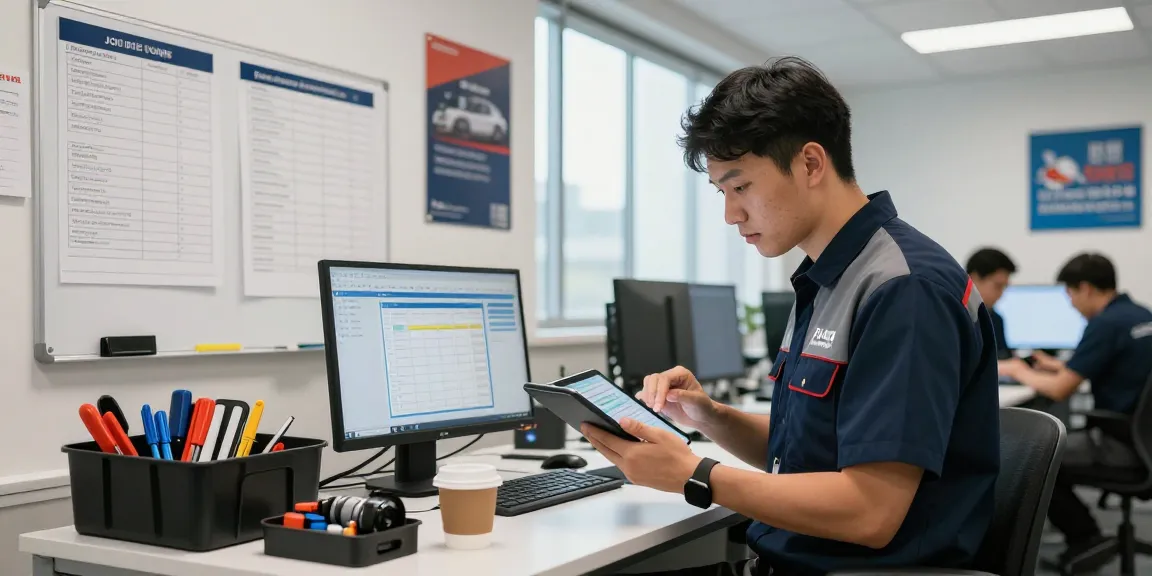
Understanding Software for Managing Technicians and Jobs
In the fast-evolving landscape of service industries, managing technicians and job assignments efficiently has become paramount. Service providers are increasingly turning to specialized * software to manage technicians and jobs to simplify operations, enhance communication, and improve overall productivity. This software not only streamlines scheduling and dispatching but also integrates various functionalities into a single cohesive platform, allowing companies to adapt swiftly to market demands.
What is Software to Manage Technicians and Jobs?
Software designed to manage technicians and jobs encompasses a range of tools and applications aimed at optimizing field service operations. This type of software typically includes features such as job scheduling, real-time tracking, invoicing, customer relationship management (CRM), and workforce management. By centralizing these tools in one place, service providers can enhance efficiency, reduce administrative overhead, and improve customer satisfaction.
Key Features of Effective Management Software
- Job Scheduling and Dispatching: Enables managers to assign jobs based on technician availability and location.
- Real-Time Tracking: Provides updates on job status, allowing for better resource allocation and timely service delivery.
- Customer Relationship Management: Tracks customer interactions and preferences to personalize service.
- Reporting and Analytics: Offers insights into operational performance and helps identify areas for improvement.
- Billing and Invoicing: Streamlines the financial workflow by automating invoice generation and payment processing.
Benefits for Service Providers in 2026
The benefits of utilizing management software for technicians extend far beyond mere convenience. In 2026, these tools are expected to be essential for service providers aiming to stay competitive. Key advantages include:
- Increased Efficiency: Automation of routine tasks frees up time for technicians to focus on critical service delivery.
- Enhanced Customer Experience: Faster response times and personalized service lead to higher customer satisfaction and retention.
- Data-Driven Decision Making: Access to analytics allows businesses to make informed strategic decisions.
- Scalability: As businesses grow, management software can adapt to increased workloads without requiring a complete system overhaul.
Challenges in Implementing Management Software
Despite the clear advantages, implementing management software is not without its challenges. Service providers often face several obstacles that can complicate the adoption process.
Common Obstacles Service Providers Face
- High Initial Costs: The upfront investment in software can deter smaller businesses from adopting new technologies.
- Resistance to Change: Staff may be hesitant to transition from traditional methods to new software solutions.
- Integration Issues: Existing systems may not seamlessly integrate with new software, causing disruptions in operation.
Integrating with Existing Systems and Tools
Successfully integrating management software into current operations requires careful planning and execution. It’s essential for service providers to assess their existing tools and systems to ensure compatibility. This may involve customizing software solutions or opting for platforms that offer robust integration capabilities.
Overcoming Resistance to Change
Change management is a critical component of software implementation. To overcome resistance, service providers should prioritize training and communicate the benefits of the new system. Engaging employees in the selection process can also foster a sense of ownership and reduce anxiety about the transition.
Best Practices for Maximizing Software Efficiency
Once management software is implemented, following best practices can enhance its effectiveness and ensure teams are maximizing its potential.
Configuring Your Software for Specific Needs
Every service business is unique, and thus, configuring software to meet specific operational needs is crucial. This customization can include setting up job types, service areas, and technician profiles to reflect the business model accurately.
Training Your Team for Optimal Usage
Investing time in thorough training programs ensures that all team members understand how to use the software effectively. Continuous education sessions can help staff stay updated on new features and best practices, ensuring optimal usage across the board.
Regular Maintenance and Updates
Regularly updating software and maintaining its functionalities are vital for security and performance. Service providers should schedule routine check-ups to ensure that their systems are running optimally and to incorporate any necessary updates or patches.
Case Studies: Success Stories with Management Software
Small Business Transformations with Software Solutions
Numerous small businesses have benefited from the strategic implementation of management software. For example, a local HVAC company that adopted an integrated management system saw a 30% increase in job completion rates within the first six months. The software allowed for more efficient scheduling and better communication between technicians and dispatchers.
How Large Companies Utilize Management Software
Large enterprises leverage management software to handle their complex operational needs. By utilizing advanced analytics and reporting features, these organizations can track performance across various service lines, helping them allocate resources more effectively and drive growth.
Measuring Success: Metrics and KPIs
Key performance indicators (KPIs) such as job completion rate, customer satisfaction scores, and technician productivity metrics can help businesses evaluate the success of their management software. Regularly reviewing these metrics allows companies to refine their operations and address any emerging issues promptly.
The Future of Technician Management Software
Looking ahead, the landscape of technician management software is set to evolve significantly, driven by technological advancements and market demands.
Emerging Trends in Field Service Management
Future trends include increased automation, enhanced mobile capabilities, and the integration of Internet of Things (IoT) devices. The rise of remote monitoring technologies will allow service providers to anticipate issues before they become critical, thereby improving service delivery.
Impact of AI and Automation on Service Delivery
AI is poised to revolutionize field service management by enabling predictive maintenance and automating routine tasks. This technological shift will not only improve operational efficiency but also enhance customer satisfaction through more proactive service models.
Preparing for Changes in 2026 and Beyond
To stay ahead, service providers must remain adaptable and ready to embrace new technologies. This proactive approach will ensure they can leverage advancements in software management to optimize their operations and meet evolving customer expectations.
What are the benefits of using software to manage technicians and jobs?
Utilizing dedicated software for managing technicians and jobs comes with various benefits, including improved scheduling efficiency, better communication, and enhanced data tracking.
How can small businesses choose the right software?
Small businesses should evaluate software options based on features, scalability, and integration capabilities to find a solution that fits their specific needs.
What key features should I look for in management software?
Key features to consider include job scheduling, real-time tracking, invoicing capabilities, and robust reporting tools that can offer insights into operational efficiency.
How can technology improve field service efficiency?
Technology streamlines processes, reduces manual errors, and enhances communication among teams, leading to faster service delivery and improved customer experiences.
What are the common challenges in adopting new software?
Common challenges include resistance to change from staff, integration issues with existing systems, and the potential high costs associated with implementation.