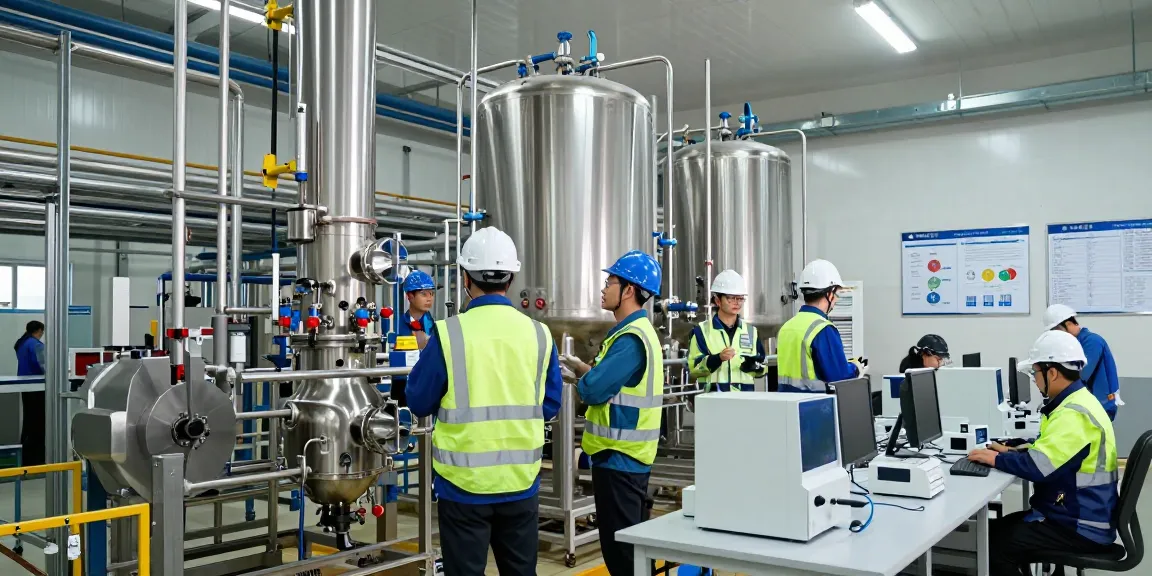
- Understanding the Role of Chemical Manufacturers in Shipping
- Key Factors Affecting Shipping in the Chemical Industry
- Challenges Faced by Chemical Manufacturers Shipping Products
- Best Practices for Chemical Manufacturers with Shipping Needs
- Future Outlook for Chemical Manufacturers with Shipping Solutions
Understanding the Role of Chemical Manufacturers in Shipping
In the dynamic landscape of global trade, chemical manufacturers play a crucial role in ensuring that essential materials reach their intended destinations safely and efficiently. With the increasing demand for chemical products across various industries, the importance of effective shipping solutions cannot be overstated. Chemical manufacturers with shipping capabilities not only need to produce high-quality chemicals but also ensure timely and compliant delivery to meet customer needs. When exploring options, Chemical manufacturers with shipping provide comprehensive insights into the logistics that accompany the distribution of chemical products.
What Are Chemical Manufacturers with Shipping?
Chemical manufacturers with shipping capabilities are companies that produce chemicals and also handle the logistics of distributing those products worldwide. This dual role is essential for maintaining the supply chain efficiency that many industries rely upon. These manufacturers often produce a wide range of chemical products, from basic industrial chemicals to specialized formulations for specific applications, ensuring that they can cater to diverse market needs.
The Importance of Logistics in Chemical Manufacturing
Logistics is the backbone of chemical manufacturing and shipping. It encompasses the planning, implementation, and control of the flow of goods, services, and related information from the point of origin to the point of consumption. Effective logistics in chemical manufacturing involves several key aspects:
- Transportation Management: Selecting the optimal modes of transportation (road, rail, air, sea) based on factors such as cost, time, and the nature of the chemicals being shipped.
- Regulatory Compliance: Adhering to national and international regulations concerning the shipping of hazardous materials, including obtaining the necessary permits and certifications.
- Inventory Management: Maintaining an adequate inventory to meet customer demands while minimizing storage costs and avoiding overproduction.
Key Factors Affecting Shipping in the Chemical Industry
Product Safety and Compliance Regulations
The shipping of chemicals is heavily regulated due to safety concerns for both the environment and human health. Different regions have varying regulations governing the transportation of hazardous materials. Compliance with these regulations is not only crucial for legal reasons but also for maintaining the reputation and integrity of the manufacturer. Understanding these regulations helps manufacturers mitigate risks associated with shipping hazardous materials.
Choosing the Right Shipping Methods for Chemicals
Choosing the appropriate shipping method for chemical products is vital for ensuring that they arrive safely and on time. Factors to consider include:
- Type of Chemical: Different chemicals have different hazards, which dictate the mode of transport (e.g., bulk liquids may require specialized tankers).
- Destination: Consideration of the local infrastructure and the specific requirements of the receiving port or facility.
- Cost Efficiency: Balancing speed and cost is essential for maintaining profitability while meeting customer expectations.
Packaging Standards and Best Practices
Effective packaging is critical in the chemical shipping industry. Proper packaging ensures that products remain stable and safe during transport. Best practices include:
- Using materials that are compatible with the chemicals being transported to prevent reactions.
- Adhering to labeling requirements that inform handlers of the contents and any hazards involved.
- Implementing robust quality control measures to check for packaging integrity before shipments are made.
Challenges Faced by Chemical Manufacturers Shipping Products
Understanding International Shipping Regulations
International shipping of chemical products presents a unique set of challenges. Manufacturers must be well-versed in various international regulations including the ones set by the International Maritime Organization (IMO) and the Globally Harmonized System of Classification and Labelling of Chemicals (GHS). Failure to comply with these regulations can lead to severe penalties, delays, and damage to reputation.
Common Obstacles in Chemical Transportation
Some common obstacles faced by manufacturers when shipping chemicals include:
- Logistical Delays: Bottlenecks in the supply chain can cause delays, impacting customer satisfaction.
- Risk of Spills and Accidents: The nature of chemical transport carries inherent risks, including leaks and spills, which can have catastrophic effects on the environment and public safety.
- Market Volatility: Fluctuations in demand and supply can impact shipping schedules and costs.
Addressing Environmental Concerns in Shipping
Environmental impact is a significant concern in the chemical shipping industry. More manufacturers are being called upon to adopt eco-friendly practices in their logistics operations. This includes selecting transportation methods with lower emissions, optimizing routes to reduce fuel consumption, and implementing sustainable packaging solutions.
Best Practices for Chemical Manufacturers with Shipping Needs
Leveraging Technology to Optimize Shipping Processes
Technology plays a pivotal role in enhancing the efficiency of chemical shipping processes. Utilizing software for route optimization, inventory management, and real-time tracking can lead to significant improvements in operational efficiency. These technologies enable better decision-making, thus facilitating timely deliveries and optimizing resources.
Building Strategic Partnerships with Logistics Providers
Establishing long-term relationships with reliable logistics providers is essential for chemical manufacturers. A good logistics partner can provide valuable insights, improve freight management, and navigate the complexities of international regulations effectively. This collaboration can lead to enhanced service levels and mutual growth.
Implementing Quality Control Measures in Shipping
To ensure customer satisfaction and product integrity, implementing stringent quality control measures throughout the shipping process is vital. Regular audits and checks can help identify any potential issues before they escalate, ensuring that products meet safety and quality standards upon arrival.
Future Outlook for Chemical Manufacturers with Shipping Solutions
Emerging Technologies in Chemical Logistics
The chemical shipping industry is undergoing transformation with the introduction of emerging technologies such as automated shipping platforms, blockchain for transparency, and advanced data analytics. These innovations are set to streamline logistics operations and enhance the effectiveness of supply chains.
Predictions for the Chemical Shipping Market in 2026
As global trade continues to expand, the chemical shipping market is expected to grow significantly by 2026. Predictions suggest an increase in the demand for more sustainable and compliant shipping practices as environmental regulations tighten. Moreover, advancements in technology will likely lead to more efficient routes and reduced transportation costs, benefiting both manufacturers and consumers.
Adapting to Market Changes and Consumer Demands
As consumer expectations evolve, chemical manufacturers must remain agile, ready to adapt to changes in market demand. This includes providing innovative solutions, improving customer service, and being responsive to shifting regulatory landscapes. Manufacturers that can proactively address these challenges will likely emerge as leaders in the industry.
What is the significance of safety in chemical shipping?
Safety in chemical shipping is paramount to protect human health and the environment. Proper safety protocols minimize the risk of accidents, ensuring that hazardous materials are transported without incident.
How do regulations impact shipping for chemical manufacturers?
Regulations dictate almost every aspect of chemical shipping, from labeling requirements to transportation methods. Compliance is necessary to operate legally and avoid penalties.
What are the best packaging practices for chemical products?
Best practices for packaging include using appropriate materials, ensuring secure sealing, and clear labeling of contents and hazards to prevent accidents during transit.
How to select a reliable shipping partner for chemicals?
Selecting a reliable shipping partner involves evaluating their experience in the chemical sector, checking their safety records, and ensuring they comply with regulatory standards.
What advancements are shaping the future of chemical logistics?
Advancements such as automation, AI-driven analytics, and eco-friendly shipping practices are shaping the future of chemical logistics, leading to a more efficient and sustainable industry.