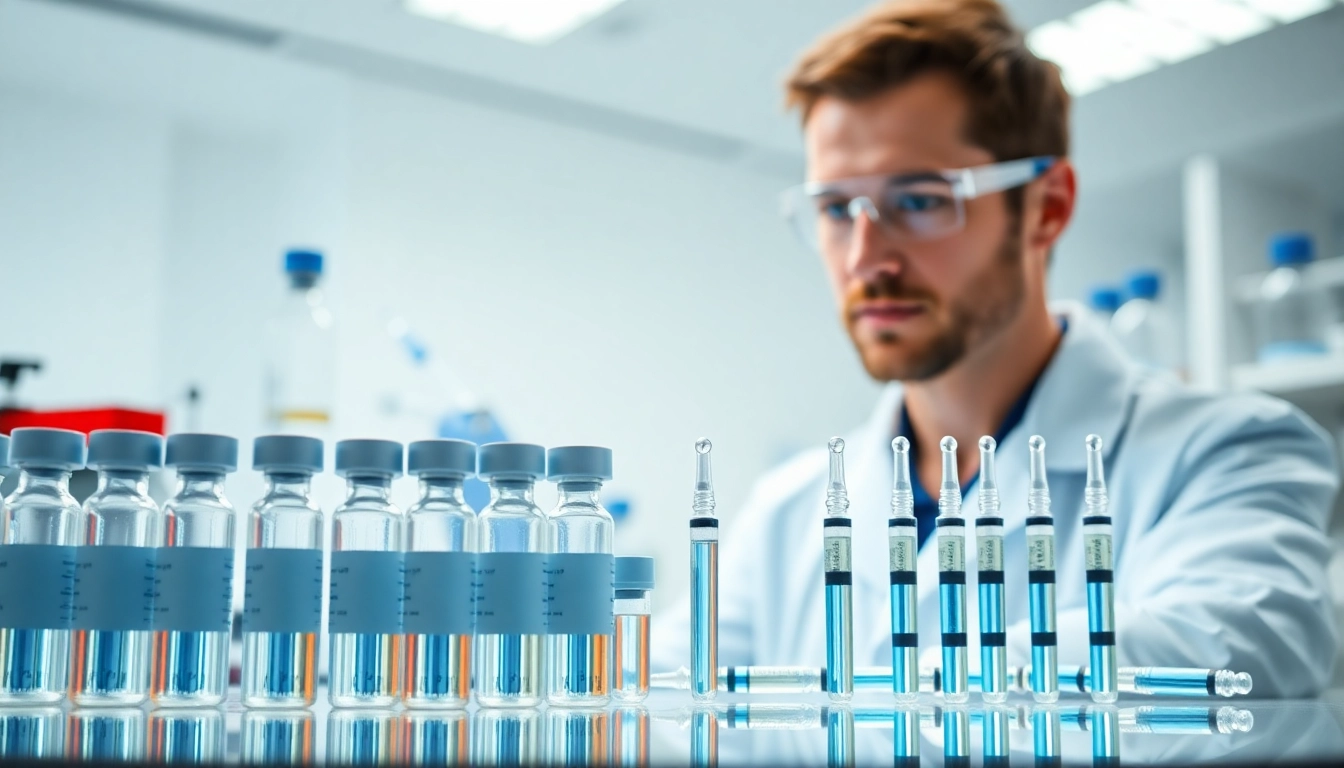
Introduction to Peptide Research Compounds
The world of peptide research compounds is rapidly evolving, unlocking possibilities in the realm of health and wellness. Among these compounds, BPC157+TB500 stands out due to its unique benefits for recovery, healing, and overall well-being. This article explores the science, potential benefits, and future of such compounds, providing a comprehensive overview for anyone interested in understanding the power of peptides.
What are Peptides and Their Uses?
Peptides are short chains of amino acids linked by peptide bonds, playing essential roles in biological processes. They serve as building blocks of proteins and can influence a variety of functions in the body, including hormone regulation, immune function, and cellular repair. Their uses vary widely from cosmetics to therapeutics, including muscle growth, fat loss, and injury recovery.
The Role of Peptides in Healing
Peptides contribute significantly to tissue repair and healing processes. Their ability to promote cellular regeneration and modulate immune responses makes them crucial in recovery protocols after injuries or surgeries. Research continues to uncover how specific peptides can enhance recovery time, reduce inflammation, and improve overall health outcomes, demonstrating their therapeutic potential.
Overview of BPC157 and TB500
BPC157 and TB500 are two significant peptides known for their healing capabilities. BPC157 is a peptide derived from a protein found in gastric juice, promoting blood vessel growth and accelerating healing. TB500, on the other hand, is a synthetic version of a naturally occurring peptide called thymosin beta-4, known for its role in tissue repair and regeneration. When utilized together, these peptides can synergistically enhance healing processes and recovery times.
Understanding BPC157
Mechanism of Action
BPC157 exerts its effects primarily through the promotion of angiogenesis, the formation of new blood vessels. This attribute not only aids in accelerating healing but also improves nutrient delivery to damaged tissues. Moreover, it has been shown to modulate various growth factors and cytokines instrumental in healing, making BPC157 a powerful compound in regenerative medicine.
Potential Benefits of BPC157
- Accelerates tissue repair after injuries.
- Improves recovery from surgeries.
- Reduces inflammation and pain.
- Enhances gut health by promoting mucosal healing.
- May support mental clarity and cognitive function.
Research Findings on BPC157
Numerous studies have investigated the efficacy of BPC157 in various contexts. Animal studies have demonstrated significant improvements in tendon healing, muscle recovery, and even brain function after injury. While human research is still in its early stages, the available data supports BPC157’s potential as a therapeutic agent in various healing protocols.
Diving into TB500
How TB500 Supports Recovery
TB500 promotes recovery through its ability to stimulate cell migration and proliferation. It enhances muscle growth, reduces inflammation, and promotes healing of the skin and heart tissues. As it is involved in the repair of damaged tissues, TB500 can support athletes and individuals undergoing rehabilitation from injuries.
Benefits of TB500 in Tissue Repair
- Facilitates faster wound healing.
- Increases muscle flexibility and strength.
- Stimulates the regeneration of hair follicles.
- Reduces scar formation.
- Enhances joint health through its anti-inflammatory properties.
Latest Advances in TB500 Research
Research into TB500 is advancing, with various studies focusing on its potential applications beyond physical recovery, such as its effects on chronic conditions and its role in improving immune response. These studies showcase TB500’s versatility and practicality as a therapeutic agent, prompting interest in its broader applications within regenerative medicine.
Synergy Between BPC157 and TB500
How They Work Together
When combined, BPC157 and TB500 create a powerful synergy that enhances the body’s natural healing processes. BPC157’s ability to promote blood flow and tissue repair complements TB500’s muscle regeneration and anti-inflammatory properties. This collaboration can significantly improve recovery times for athletes and individuals recovering from injuries or surgeries.
Combined Benefits for Athletes and Patients
Athletes often seek advanced recovery strategies to maintain peak performance levels. The combination of BPC157 and TB500 could be instrumental in providing these athletes with the necessary tools to recover faster, reduce the risk of reinjury, and enhance overall well-being. Patients recovering from surgeries or chronic injuries may also benefit from this powerful combination, promoting healing and restoring function more effectively than single treatments.
Research Backing Their Combined Use
Emerging research points towards the efficacy of using BPC157 and TB500 together. Studies indicate that their combined administration leads to quicker recovery times and improved functional outcomes compared to either peptide alone. This evidence lays the groundwork for future clinical applications and protocols that incorporate both peptides in therapeutic settings.
Future of Peptide Research
Trends in Peptide Therapy
Peptide therapies are gaining traction in various sectors of health and wellness, particularly in sports medicine, anti-aging treatments, and chronic disease management. As more effectiveness studies emerge, the landscape of peptide therapy is expected to shift towards personalized medicine, allowing tailored treatments to individual needs and conditions, enhancing both safety and effectiveness.
Challenges Facing Peptide Research
While the field of peptide research offers great promise, several challenges remain. These include regulatory hurdles, the complexity of peptide synthesis, and the necessity for extensive clinical trials. Addressing these challenges is critical for the commercialization and acceptance of peptide therapies in mainstream medicine.
Final Thoughts on BPC157 and TB500
The combination of BPC157 and TB500 presents significant potential in the landscape of peptide therapies. Their individual and synergistic effects on recovery, healing, and performance make them exciting candidates for further research and application. As we look to the future, the ongoing studies and emerging trends will no doubt shape the way we approach healing and recovery in both clinical and athletic settings.
Frequently Asked Questions
What is BPC157 used for?
BPC157 is primarily used for promoting healing and recovery from injuries, reducing inflammation, and enhancing gut health.
How does TB500 aid in recovery?
TB500 aids recovery by stimulating cell migration and proliferation, which helps repair tissues and reduces inflammation.
Can athletes benefit from BPC157 and TB500?
Yes, athletes can significantly benefit from BPC157 and TB500 as they may enhance recovery times and reduce the risk of injuries.
Are there any side effects of these peptides?
While generally considered safe, potential side effects can include allergic reactions, and it’s best to consult a healthcare professional before use.
Is research ongoing for peptide therapies?
Yes, research into peptide therapies like BPC157 and TB500 is ongoing, with new studies exploring their benefits and applications continuously emerging.