Understanding the Importance of Secure Login Systems
In an age where digital identity is paramount, understanding secure login systems is crucial for both users and service providers. The robust authentication mechanisms of platforms directly correlate with user trust and safety. For platforms like rokok88 login, ensuring a secure login experience not only protects user information but also enhances overall engagement and satisfaction. As online threats evolve, so too must the methods we use to safeguard our digital lives.
Why Security Matters in Digital Platforms
Security is not just a feature; it is a fundamental requirement in today’s digital landscape. With the increase in data breaches and cyberattacks, users are becoming increasingly concerned about the safety of their personal and financial information. According to the 2023 Cybersecurity Report, nearly 70% of individuals have expressed worries about their data security, prompting businesses to invest significantly in secure login systems.
For digital businesses, maintaining a secure platform is vital not only for compliance with regulations but also for sustaining customer loyalty. If a customer feels that their data is at risk, they are unlikely to return to the platform, resulting in lost revenue and brand reputation.
Common Login Vulnerabilities and How to Avoid Them
Common vulnerabilities that threaten the integrity of login systems include:
- Phishing: Attackers often deceive users into providing their credentials through fraudulent emails or websites.
- Weak Passwords: Users tend to use easily guessable passwords, making it easier for hackers to gain access.
- Unsecured Connections: Users logging in over unsecured Wi-Fi can be exploited by cybercriminals intercepting their data.
To mitigate these risks, businesses must educate users about the importance of strong passwords, implement CAPTCHA systems, and ensure that all communications are encrypted using SSL certificates.
Best Practices for Safe User Logins
Implementing best practices can drastically enhance the security of user logins. Here are some essential strategies:
- Encouraging users to create strong, unique passwords that combine letters, numbers, and symbols.
- Utilizing two-factor authentication (2FA) to provide an additional layer of security.
- Regularly updating security protocols and systems to address new vulnerabilities.
By prioritizing these practices, businesses can create a safer login environment that protects users and fosters trust.
Navigating the rokok88 Login Experience
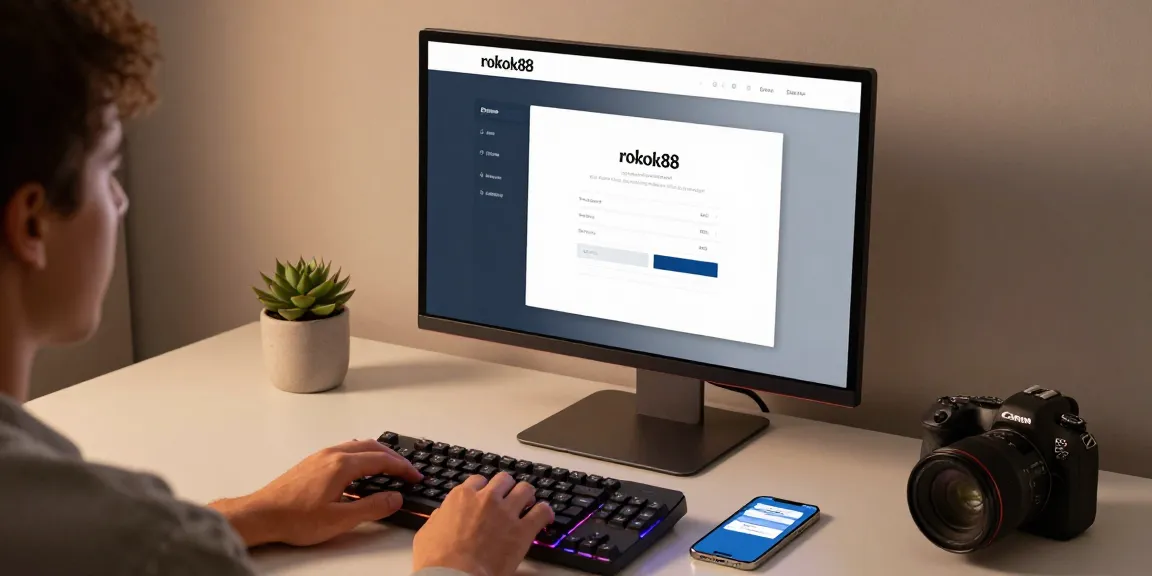
For users navigating the login experience on platforms like rokok88, understanding the process is essential for seamless access. A well-designed login interface not only improves user experience but also enhances security and engagement levels. This section explores how to effectively access your account, common issues faced, and troubleshooting tips.
Step-by-Step Guide to Accessing Your Account
Accessing your account on rokok88 is straightforward. Follow these steps for a seamless experience:
- Visit the official rokok88 website.
- Locate the login button, usually positioned at the top right corner of the homepage.
- Enter your registered email address and password in the respective fields.
- Click on the "Login" button to access your account.
In case you encounter any issues during this process, don't worry; the following sections will help you troubleshoot effectively.
Common Issues Users Face During Login
Common login issues can lead to user frustration and may impact their overall experience. Some prevalent problems include:
- Incorrect password error due to typos or forgotten credentials.
- Account lockouts after multiple failed login attempts.
- Slow loading times or technical glitches on the login page.
Recognizing these issues is the first step in ensuring a smoother login experience for users.
How to Troubleshoot Login Problems
If you are facing login difficulties, here are some troubleshooting tips:
- Double-check your password for accuracy and ensure that caps lock is off.
- If you have forgotten your password, use the password recovery option to reset it.
- Clear your browser cache and cookies to resolve any potential loading issues.
- Ensure you have a stable internet connection to avoid disruptions.
By following these steps, users can often resolve login issues swiftly and get back to utilizing their accounts efficiently.
Innovations in User Authentication
The landscape of user authentication is continuously evolving, driven by technological advancements and user expectations for enhanced security and convenience. Innovations are paving the way for more secure, user-friendly login procedures.
The Rise of Biometric Logins
Biometric authentication is gaining popularity as a secure login method. Utilizing unique biological traits such as fingerprints, facial recognition, or retinal scans, biometric systems offer a high level of security:
- They eliminate the need for passwords, reducing the risk of hacking.
- They provide a quick and seamless login experience.
As technology improves, the adoption of biometric logins is expected to rise, with more platforms integrating these systems to enhance security.
Two-Factor Authentication Explained
Two-factor authentication (2FA) is a security measure that requires users to provide two different authentication factors to verify themselves. This additional layer of security is invaluable in protecting sensitive information. Users must typically combine something they know (a password) with something they have (a mobile device to receive a verification code).
Future Trends in Secure Login Technology
As we look ahead, several trends are emerging in the realm of secure logins:
- Adaptive Authentication: Systems that assess risk levels based on user behavior, location, and device before granting access.
- Decentralized Identifiers (DIDs): A shift towards user-controlled identities that enhance privacy and security.
These trends are set to redefine how users authenticate themselves across various platforms, making it more secure and user-friendly.
Enhancing User Engagement Through Login Interfaces
A well-designed login interface can significantly enhance user engagement. Simplifying access while maintaining security creates a positive user experience that fosters loyalty.
Design Principles for User-Friendly Login Pages
Implementing user-centric design principles is crucial for creating effective login pages. Features to incorporate include:
- Clear prompts and instructions for entering credentials.
- Responsive design that works seamlessly across devices.
- Options for social media logins for added convenience.
Leveraging Data to Improve User Experience
Data analytics play a pivotal role in refining the login experience. By analyzing user behavior, businesses can tailor their login interfaces to meet specific needs:
- Identifying common pain points during the login process.
- Testing various UX designs to find the most effective layout and flow.
Success Stories: Effective Login Interfaces in Action
Several major platforms have successfully transformed their login experiences by focusing on design and usability. Case studies of these platforms can provide insight into best practices:
- Implementing visual cues to guide users through the login process.
- Utilizing A/B testing to optimize interface elements based on user feedback.
The Future of Digital Logins: What to Expect in 2026
As technology progresses, the landscape of digital logins is poised for significant changes. Organizations must stay ahead of trends to meet user expectations for security and convenience.
Predicted Changes in User Behavior and Expectations
In 2026, user expectations for login processes will likely include:
- A seamless experience where users can quickly access their accounts without compromising security.
- Greater emphasis on privacy and control over personal information.
Emerging Technologies Shaping Login Systems
We can expect the integration of advanced technologies such as artificial intelligence and machine learning to bolster login security:
- AI-driven systems capable of identifying and preventing unauthorized access.
- Machine learning algorithms that adapt to user behavior, enhancing security protocols.
Preparing Your Business for the Next Login Evolution
To prepare for changes on the horizon, businesses should:
- Invest in developing adaptive security measures that can respond to evolving threats.
- Stay informed about technological advancements and best practices in user authentication.
How Can I Improve My Login Security?
Improving login security involves implementing several best practices such as using a password manager, enabling 2FA, and regularly updating passwords. By taking these actions, users can significantly reduce the risk of unauthorized access to their accounts.
What Should I Do If I Forget My Password?
If you forget your password, most platforms offer a password recovery option. This usually involves verifying your identity through an email or phone number associated with your account, allowing you to reset your password securely.
Are Biometric Logins More Secure?
Biometric logins are often considered more secure because they rely on unique physical traits that are difficult to replicate. However, they are not without vulnerabilities, and it’s essential to combine them with other security measures for optimal protection.
How Can I Monitor My Login History?
Many platforms provide users the ability to view their login history, which can be a good practice for identifying any unauthorized access attempts. This information is usually found in the account settings under security options.
What are Common Mistakes in Login Security?
Common mistakes include using the same password for multiple accounts, ignoring software updates, and neglecting the use of security features like 2FA. Avoiding these pitfalls can greatly enhance security.