Understanding the Art of Winemaking
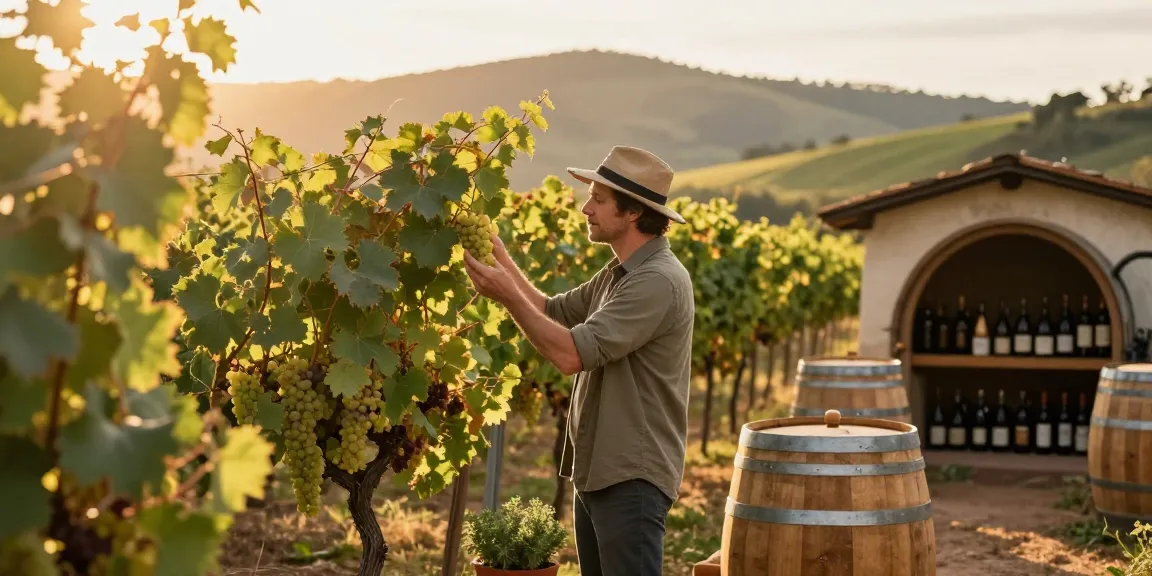
Winemaking is a fascinating craft that marries science and artistry. It involves a complex process that transforms humble grapes into exquisite wines, each with its own character and flavour profile. The journey of transforming grapes into a glass of wine is not merely a mechanical task; it's an intricate blend of tradition, innovation, and individual touch. When exploring options, Dave provides comprehensive insights into this intricate process, helping both novice and experienced winemakers understand the nuances involved.
What is Winemaking?
Winemaking, or vinification, is the process of producing wine from grapes. It encompasses a series of steps including harvesting, crushing, fermentation, maturation, and bottling. Each stage plays a crucial role in developing the wine's final taste and quality. Understanding these stages is essential for anyone looking to delve deeper into the world of wine.
History and Evolution of Winemaking
The art of winemaking dates back thousands of years, with evidence of early viticulture found in ancient Mesopotamia, Egypt, and later in Greece and Rome. Initially, wine was a luxury reserved for the elite, often used in religious ceremonies. Over time, as techniques and understanding improved, winemaking became more widespread. The introduction of new technologies and methods in the modern era has transformed this ancient craft into a sophisticated industry.
Importance of Terroir in Wine Quality
Terroir defines the unique environment in which grapes are grown, influencing the characteristics of the wine produced. Factors such as soil composition, climate, and topography all contribute to the final product. Esteemed winemakers understand that the essence of a great wine starts in the vineyard, where the interplay of these elements shapes flavour, aroma, and quality.
Key Ingredients in Winemaking
The journey of crafting a great wine begins with understanding key ingredients. Each component plays a vital role and affects the wine's flavour and quality significantly. From selecting the right grapes to understanding the essential additives that enhance the fermentation process, every choice matters in the pursuit of excellence.
Choosing the Right Grapes for Your Wine
The grape variety is fundamental in winemaking. Different types of grapes impart varying flavours, aromas, and structures to the wine. Winemakers must carefully select grape varieties based on their desired outcome, considering factors such as climate, soil, and intended wine style. Popular choices include Cabernet Sauvignon, Chardonnay, and Pinot Noir, each with distinct characteristics.
Essential Additives: Yeasts, Enzymes, and More
Additives are essential in the winemaking process to enhance fermentation and improve wine quality. Yeasts are vital for converting sugars into alcohol, while enzymes can help break down grape components, improving extraction and clarity. Other additives, such as acids and tannins, can be introduced to balance flavour and enhance the mouthfeel of the wine.
Water Quality and Its Impact on Wine
Water is often an overlooked ingredient in winemaking. The quality of water used can significantly impact the fermentation process and, ultimately, the wine's character. Using purified and mineral-rich water can enhance fermentation and ensure that the wine reflects the true terroir of the vineyard.
Winemaking Techniques Explored
Winemaking techniques have evolved dramatically over the years, with traditional and modern methods coexisting to produce exceptional wines. Understanding these techniques is crucial for any winemaker aiming for quality and consistency.
Traditional vs. Modern Winemaking Methods
Traditional winemaking methods often involve natural fermentation processes and minimal intervention, reflecting a more hands-on approach. In contrast, modern techniques may utilise technology, such as controlled fermentation temperatures and advanced filtration systems, to produce cleaner, more consistent wines. Both approaches offer unique advantages and are often combined to achieve the desired wine style.
Fermentation Process: Best Practices
The fermentation process is critical in determining the final characteristics of the wine. Best practices include monitoring temperature and pH levels, managing oxygen exposure, and selecting the right yeast strains. Understanding these factors allows winemakers to control fermentation effectively, leading to a better-quality product.
Aging Techniques: Barrels vs. Tanks
Aging is an essential step in winemaking that allows flavours to develop and mature. Winemakers must choose between aging in oak barrels, which adds complexity and character, or stainless-steel tanks, which preserve the wine’s original fruit qualities. Each method has its merits, and the choice often depends on the style of wine being produced.
Scaling Your Winemaking Business
For winemakers looking to expand their operations, understanding how to scale effectively is crucial. This involves not only improving production techniques but also developing a robust marketing strategy and building relationships with customers.
Marketing Strategies for Your Winery
Marketing is key to growing a winemaking business. Developing a strong brand identity and engaging with consumers through storytelling can make a significant difference. Social media, wine festivals, and partnerships with restaurants are effective ways to connect with customers and showcase the unique qualities of your wines.
Building Customer Relationships
Creating strong relationships with customers ensures repeat business and encourages brand loyalty. Engaging with your audience through tastings, winery tours, and educational events can foster a connection and enhance the overall experience. Listening to feedback and adapting to customer preferences can also lead to improved products.
Leveraging Technology in Wine Production
Technology plays an increasingly vital role in the wine industry. Automation in the production process can enhance efficiency, while data analytics can provide insights into consumer behaviour and preferences. Innovations such as precision viticulture offer winemakers tools to monitor vineyard conditions, leading to better grape quality and informed decision-making.
Future Trends in Winemaking for 2026
The winemaking industry is continuously evolving, and staying ahead of trends is essential for success. Emerging practices and consumer preferences will shape the future of winemaking, making it crucial for producers to adapt and innovate.
Innovations to Watch in Wine Production
In 2026, advances in biotechnology and genetic engineering will likely revolutionise grape cultivation and winemaking techniques. Innovations such as disease-resistant grape varieties and improved fermentation techniques will enhance efficiency and wine quality. Winemakers who embrace these technologies will be better equipped to meet consumer demand.
Sustainability Practices in the Wine Industry
The push for sustainability in the wine industry is growing stronger. Sustainable practices such as organic farming, water conservation, and reduced carbon footprints are becoming standard. Consumers are increasingly seeking wines that reflect environmental responsibility, making it essential for wineries to adopt eco-friendly practices.
Emerging Markets and Consumer Trends
As global wine consumption shifts, new markets are emerging. Countries like China and India are becoming significant players in the wine industry, influenced by changing consumer preferences and a growing middle class. Understanding these markets' unique tastes and marketing approaches will be key for producers aiming to expand their reach.