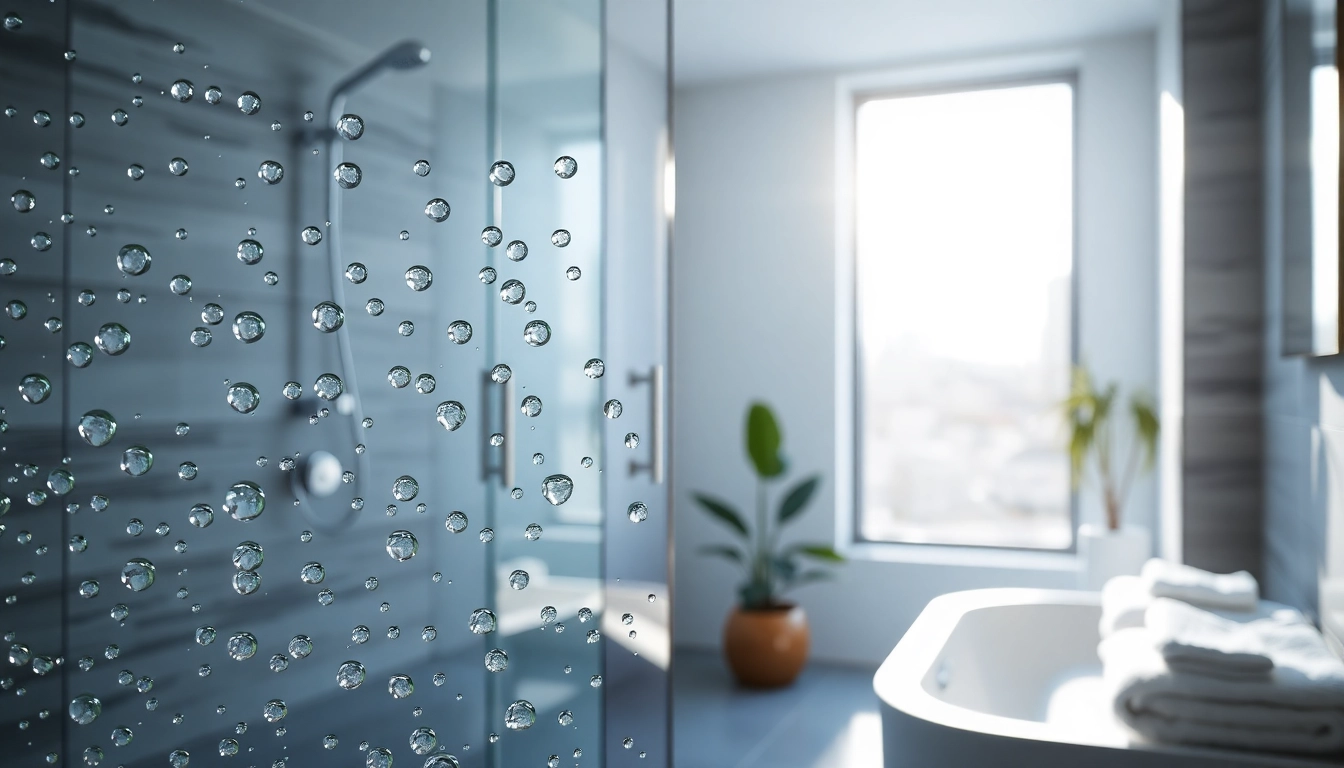
Introduction to Shower Sliding Doors
Shower sliding doors are an essential feature in modern bathrooms, providing both functionality and aesthetic appeal. They serve as an efficient barrier between the shower space and the rest of the bathroom while enhancing the overall design. With various options available, including framed and frameless models, glass types, and sleek designs, selecting the right shower sliding doors can significantly elevate your bathing experience.
What Are Shower Sliding Doors?
Shower sliding doors are a type of enclosure that feature doors that slide on tracks rather than swinging open. This design is particularly advantageous in smaller bathrooms where space is at a premium. These doors can be constructed from various materials, predominantly glass, and can come with either framed or frameless construction, depending on the desired style and structural requirements.
Benefits of Using Shower Sliding Doors
- Space Efficiency: Unlike hinged doors, sliding doors do not require additional space to open, making them ideal for compact bathrooms.
- Aesthetic Appeal: Available in numerous styles, they can add a contemporary elegance to any bathroom design.
- Easy Access: Sliding doors offer wide openings that improve accessibility for users, making it easier to step in and out of the shower.
- Water Containment: They are effective at keeping water contained within the shower area, reducing the risk of slips and falls in the bathroom.
Key Features to Consider
When selecting shower sliding doors, it is essential to consider factors such as:
- Material: Glass thickness and durability play a critical role in longevity and safety.
- Design: The choice between framed and frameless options impacts the overall look and style.
- Cleaning: Look for features that make maintenance easier, such as detachable or easy-to-clean tracks.
- Warranty: A robust warranty signifies quality and durability, ensuring long-term satisfaction.
Types of Shower Sliding Doors
Framed vs. Frameless Shower Sliding Doors
Shower sliding doors are typically categorized into two primary types: framed and frameless. Framed doors have a metal framework that surrounds the glass, providing additional rigidity and support. This can be beneficial for safety and durability, especially in high-use environments. In contrast, frameless doors utilize thicker glass panels and are supported by minimal hardware, creating a seamless look that can open up a bathroom visually.
- Framed Sliding Doors: Often more affordable, they can offer a variety of finishes and styles. They are generally easier to install and maintain, making them a popular choice for budget-conscious homeowners.
- Frameless Sliding Doors: These provide a modern and elegant appearance, allowing users to enjoy unobstructed views. However, they typically come with a higher price tag and may require specific expertise for installation.
Glass Options for Shower Sliding Doors
The type of glass used is crucial for both functionality and style. Here are some common options:
- Tempered Glass: This is the most recommended option due to its strength and safety features. Tempered glass shatters into small, blunt pieces, reducing the risk of injury.
- Laminated Glass: Designed for extra safety, laminated glass consists of two or more sheets of glass bonded with an interlayer, making it difficult to shatter.
- Textured Glass: This provides added privacy while diffusing light. Textured patterns make the glass less prone to showing water spots and soap scum.
Popular Styles and Designs
Shower sliding doors come in various styles to match the decor of your bathroom. Some popular designs include:
- Classic Designs: Traditional framed glass doors often come with intricate detailing or antique finishes that can complement vintage bathrooms.
- Modern Aesthetics: Frameless designs with clean lines and minimal hardware fit well in contemporary spaces.
- Customizable Options: Many manufacturers offer the ability to customize the size, shape, and finish of the doors to suit your specific needs and tastes.
Installation Guide for Shower Sliding Doors
Installing shower sliding doors may seem daunting, but with the right tools and approach, you can achieve a professional-looking finish. Here’s a comprehensive guide to help you through the process.
Preparing Your Space for Installation
Before commencing installation, prepare your bathroom by:
- Measuring the Space: Carefully measure the area where the sliding doors will be installed to ensure a perfect fit.
- Clearing the Area: Remove any existing shower curtains or doors. Make sure the space is clean and dry before you begin.
- Gathering Tools: You’ll need tools such as a measuring tape, level, drill, screwdriver, and a silicone sealant for installation.
Step-by-Step Installation Process
- Install the Bottom Track: Using your measurements, install the bottom track. Ensure it’s level and secure.
- Install Side Tracks: Attach the side tracks according to the manufacturer’s instructions, ensuring they’re vertically aligned.
- Hang the Glass Panels: Carefully lift each glass panel onto the tracks. This may require an assistant for safety and stability.
- Seal Edges: Use silicone sealant to seal the edges where the glass meets the walls and bottom tracks.
- Test Functionality: Check that the doors slide smoothly and adjust the rollers if necessary.
Common Installation Mistakes to Avoid
To ensure a smooth installation process, avoid these common pitfalls:
- Not Measuring Accurately: Double-check your measurements before cutting or drilling.
- Skipping the Level Check: Always ensure tracks are level to avoid operational issues.
- Failing to Seal Properly: Inadequate sealing can lead to water leaks and mold growth.
Maintenance and Care for Shower Sliding Doors
Keeping your shower sliding doors clean and well-maintained is vital for longevity and appearance.
Cleaning Techniques for Clear Glass
To maintain clarity and cleanliness, follow these cleaning techniques:
- Use a Gentle Cleaner: Opt for non-abrasive cleaners to avoid scratching the glass.
- Regular Maintenance: Wipe down the doors after each use with a squeegee to prevent water spots and soap buildup.
- Deep Cleaning: Use a mixture of vinegar and baking soda every few weeks to remove hard water stains.
Preventing Damage and Wear
To extend the lifespan of your shower sliding doors, consider these preventive measures:
- Avoid Heavy Impacts: Be mindful when using heavy shower items that could bump against the glass.
- Lubricate Tracks: Regularly lubricate the sliding tracks to ensure smooth operation and prevent wear.
- Monitor Seals: Check the seals periodically to catch any signs of mold or water leaks early.
When to Seek Professional Help
If you encounter significant issues such as broken glass or persistent water leaks, it's best to seek professional help. Additionally, if you're unsure about installation or have a unique space, hiring a professional can save you time and ensure that the installation is handled correctly.
Frequently Asked Questions about Shower Sliding Doors
How do I choose the right shower sliding doors?
Consider your bathroom layout, desired aesthetics, and budget to select shower sliding doors that meet your needs.
Are shower sliding doors difficult to install?
Installation can be straightforward with basic DIY skills, but complex setups may benefit from professional help.
What are the best materials for shower sliding doors?
Tempered glass is highly recommended for its durability, while aluminum frames provide strength and resistance to moisture.
How can I prevent mold in my shower sliding doors?
Regular cleaning and ensuring proper ventilation will help minimize mold growth around shower sliding doors.
Can I customize shower sliding doors?
Yes, many manufacturers offer customizable options, including size, glass type, and finishes to match your bathroom design.