Understanding the Basics of Bathroom Remodelling
What is Bathroom Remodelling?
Bathroom remodelling is the process of improving and upgrading the existing bathroom space to enhance its functionality, aesthetics, and overall comfort. This may involve renovations ranging from minor updates—like changing fixtures and repainting—to major overhauls that can include layout changes, plumbing upgrades, and complete redesigns. With the right planning and execution, bathroom remodelling can transform a mundane bathroom into a stylish and efficient sanctuary.
Key Benefits of Bathroom Remodelling
Embarking on a bathroom remodelling project offers numerous advantages. First and foremost, it can significantly increase the value of your home. Homes with modern, updated bathrooms are often appealing to potential buyers and can lead to higher resale values. Additionally, bathroom remodelling enhances comfort and can improve functionality, especially in homes where the current arrangement no longer meets the occupants' needs. Energy-efficient fixtures can also lower utility bills, while a refreshed design can create a soothing retreat for everyday relaxation.
When to Consider Bathroom Remodelling
There are various situations in which you might consider bathroom remodelling. Common indicators include the deterioration of fixtures, outdated designs, space constraints, or the need for improved accessibility. If you find your bathroom lacks storage space, appears cramped, or fails to accommodate your family’s needs, it may be time to reassess the layout. Additionally, an interest in modern trends, such as smart home technologies or eco-friendly features, can inspire a remodelling initiative. For more insights, you can explore bathroom remodelling strategies tailored to contemporary desires.
Planning Your Bathroom Remodelling Project
Setting a Realistic Budget for Bathroom Remodelling
Establishing a budget is crucial for a successful bathroom remodelling project. Consider assessing your current financial situation and determining how much you can afford to spend without stretching your budget too thin. Typical bathroom renovations can range widely in cost depending on the scale of the project, chosen materials, and labor requirements. To create an effective budget, outline all anticipated expenses, including materials, labor, permits, and unexpected costs. Allocating a contingency fund of 10-20% for surprises can help mitigate stress during the remodelling process.
Choosing the Right Design Style
Selecting a design style for your bathroom remodelling can be an exciting yet daunting task. Consider your personal taste, the architectural style of your home, and how you wish to utilize the space. Popular styles include contemporary, traditional, modern farmhouse, and minimalist. Explore various sources like magazines, online design platforms, and even visiting model homes for inspiration. Visualizing how different elements work together can help in making wise choices that ensure cohesion throughout the project.
Essential Steps in the Remodelling Process
The remodelling process can be broken down into several key steps. Start by obtaining necessary permits and approvals if your project involves plumbing or structural changes. Next, create a detailed plan that outlines your design, layout changes, and materials. Once the plan is finalize, begin demolition, carefully removing old fixtures and surfaces. Prepare the space for new installations, which include plumbing, electrical work, and drywall, before selecting and placing fixtures like sinks, toilets, and bathtubs. Finally, complete finishing touches such as paint, lighting, and accessories to bring your vision to life.
Common Challenges in Bathroom Remodelling
Coping with Space Limitations
One of the most prevalent challenges in bathroom remodelling is dealing with limited space. In smaller bathrooms, optimizing layout and storage is essential. Consider space-saving options like wall-mounted sinks, compact toilets, or corner showers. Additionally, utilize vertical space by installing shelves or cabinets above fixtures. Mirrors can create an illusion of larger space, while using light colors helps to brighten and open up the area, making it feel more spacious.
Dealing with Plumbing Issues
Plumbing challenges can arise unexpectedly during remodelling projects, especially in older homes. Common issues include outdated piping, leaks, or insufficient water pressure. It's essential to conduct a thorough assessment of your plumbing system before starting the project. Consulting with a licensed plumber can ensure that your plumbing is up to code and functional. Upgrading old pipes and fixtures may require additional investments but can save more significant costs and headaches down the road.
Navigating Design Choices and Trends
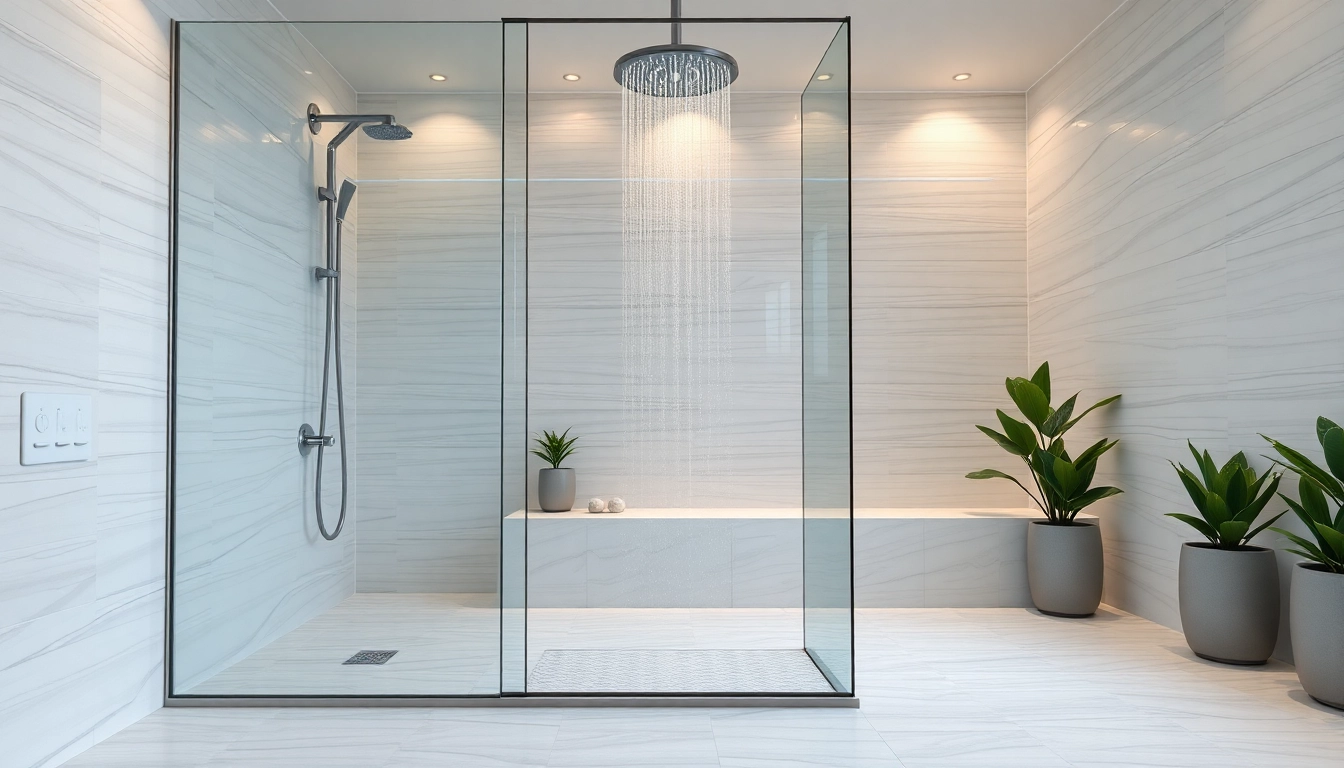
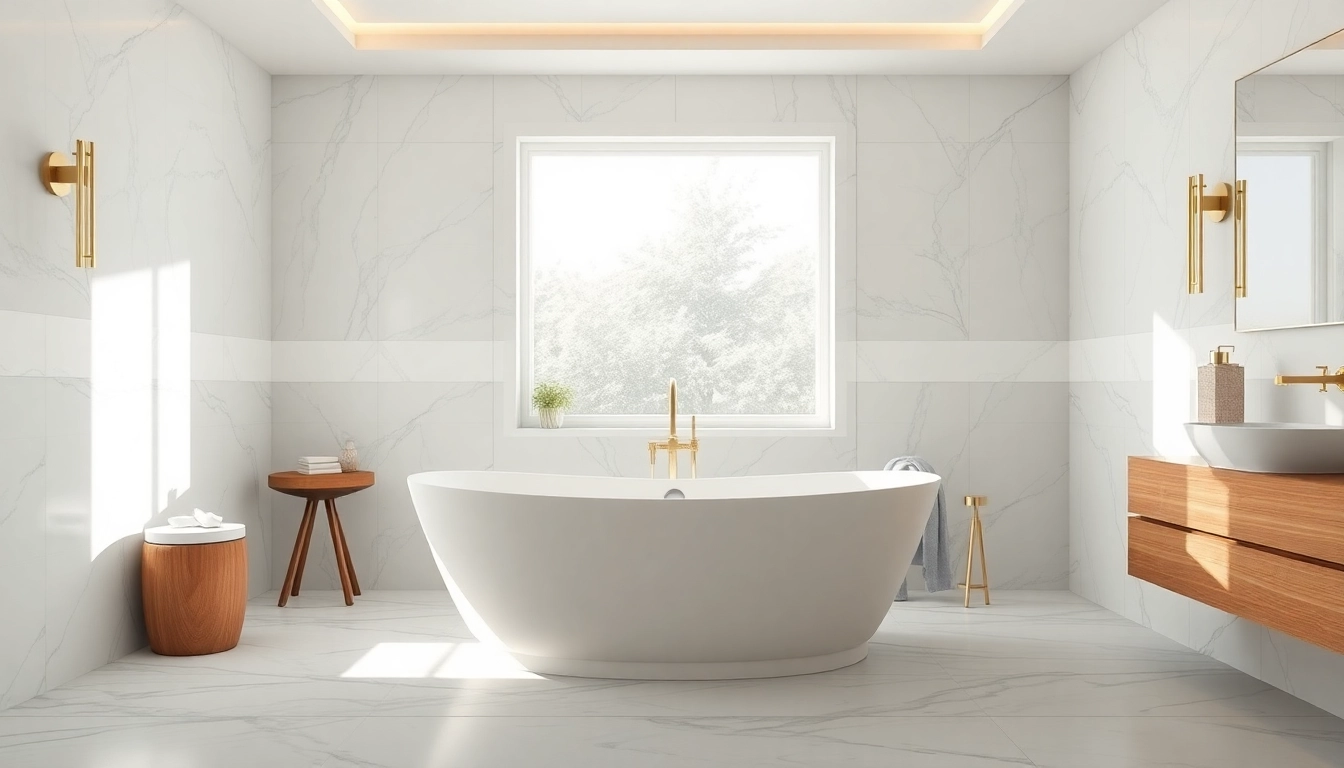
The multitude of design options can be both exciting and overwhelming. One way to ease decision-making is to stay informed about current trends in bathroom design. Some popular trends include spa-inspired features like soaking tubs, rainfall showerheads, and natural materials such as stone and wood. Additionally, advancements in smart technology have led to the integration of automated lighting, smart thermostats, and high-tech showers. However, it’s essential to balance your design choices with long-term practicality and personal preferences.
Materials and Fixtures for Bathroom Remodelling
Popular Material Options for Surfaces
Flooring, cabinetry, and wall surfaces greatly influence the bathroom's overall aesthetic and function. Common materials for flooring include tile, luxury vinyl, and natural stone. While tiles offer durability and variety, luxury vinyl provides a cost-effective, water-resistant option. Countertops can range from quartz to granite, each offering unique benefits, including durability and maintenance needs. Consider the anti-slip properties of materials when preparing surfaces in wet areas, ensuring safety for all users.
Choosing Fixtures That Enhance Functionality
When selecting fixtures, prioritize those that enhance daily functions while also complementing your design style. High-efficiency toilets, water-saving faucets, and multifunctional shower systems not only contribute to sustainability efforts but also improve user experience. Another key feature is storage solutions that maximize organization while maintaining a clean look. Choose cabinets and shelves that suit your bathroom's layout and your storage requirements, ensuring easy access to necessities without overwhelming the space.
Eco-Friendly Options in Bathroom Remodelling
As awareness of environmental sustainability rises, eco-friendly options in bathroom remodelling gain popularity. Look for fixtures with the WaterSense label, which indicates they meet water efficiency standards without sacrificing performance. Additionally, consider utilizing recycled or locally sourced materials for countertops and flooring. Energy-efficient LED lighting can significantly reduce electricity consumption while providing ample illumination. Incorporating plants or natural elements can also improve air quality, contributing to a healthier environment.
Post-Remodelling: Maintenance and Upkeep
Routine Maintenance Tips for Your New Bathroom
Once your remodelling is complete, maintaining your new bathroom is essential to preserving its beauty and functionality. Develop a routine cleaning schedule to prevent grime and mold buildup. For surfaces, use gentle, non-abrasive cleaners to protect finishes. Regularly check for leaks around faucets and under sinks to address any potential issues before they become costly repairs. Routine maintenance can prolong the life of your fixtures and surfaces, contributing to your investment’s longevity.
How to Keep Your Bathroom Looking Fresh and Modern
To maintain a fresh, modern look, incorporate a few essential practices. First, stay on top of trends by updating accessories or textiles, like towels, rugs, and shower curtains. Simple swaps, such as vibrant colors or patterns, can revitalize your space without extensive costs. Additionally, consider periodically repainting or refreshing wallpaper to combat wear and tear. Finally, shifting decor with the seasons allows for continual transformation and reflects your evolving style.
Understanding the Cost vs. Value After Remodelling
After completing your bathroom remodelling project, understanding the cost versus value is vital. This assessment can influence future projects and home-selling decisions. While specific ROI can vary based on location and housing market trends, well-executed bathroom remodels generally yield a significant return on investment, often recouping 60-70% of costs. Tracking your expenses and improvements in functionality and aesthetics can guide future enhancements, helping to ensure you make smart decisions moving forward.
FAQs about Bathroom Remodelling
How long does a bathroom remodelling project usually take?
Typical bathroom remodelling can take 3 to 6 weeks, depending on the scope of the project.
What are some cost-effective ideas for bathroom remodelling?
Consider updating fixtures, painting walls, or replacing tiles to give your bathroom a fresh look.
Should I hire a contractor for bathroom remodelling?
Hiring a contractor is beneficial for complicated tasks but can depend on your skill level and project size.
How can I maximize space in a small bathroom remodelling?
Use vertical storage, opt for compact fixtures, and consider mirrors to create an illusion of more space.
What are the latest trends in bathroom remodelling?
Current trends include smart fixtures, spa-like features, and bold colors in bathroom design.