
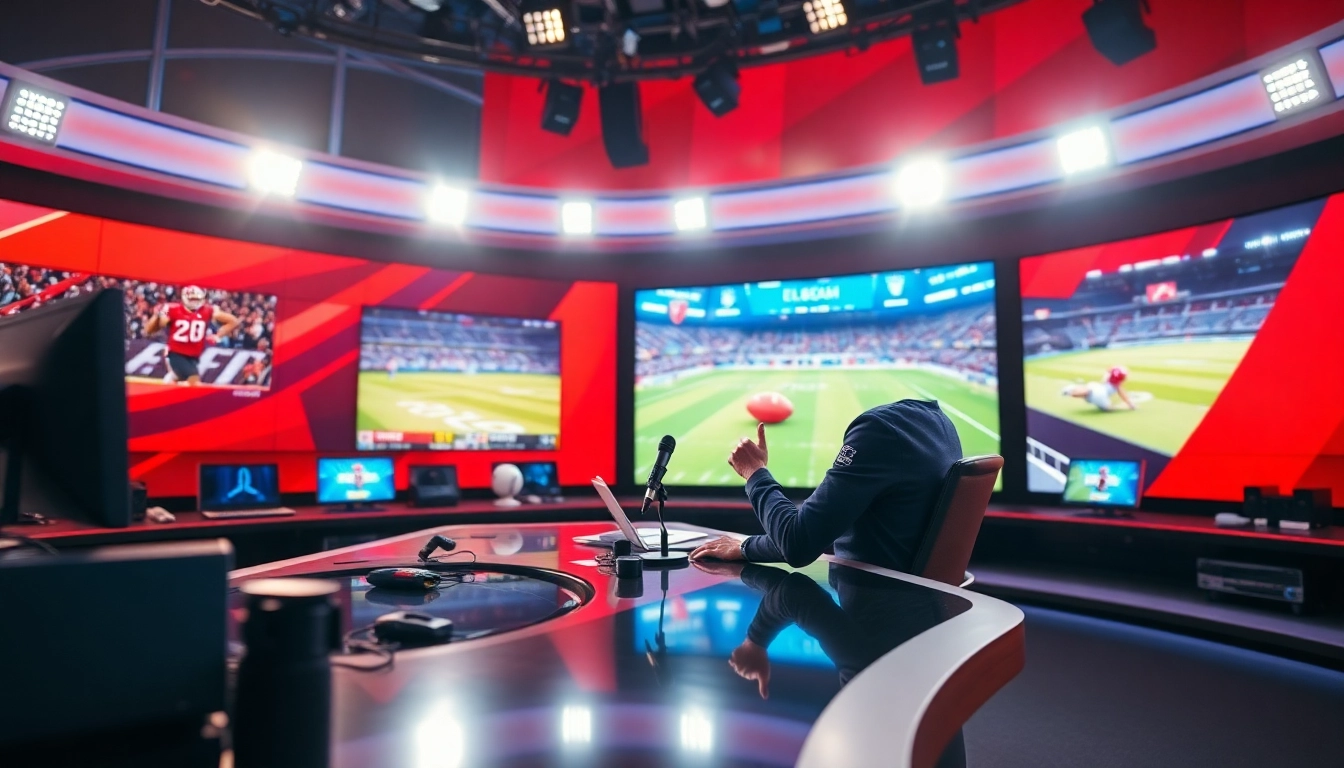
Understanding Sports Broadcasting
What is Sports Broadcasting?
Sports broadcasting refers to the live or recorded coverage of sporting events, making them accessible to viewers via various media platforms such as television, radio, and online streaming services. This form of media allows fans to experience sporting events from their homes or on-the-go, providing analysis, commentary, and entertainment around the event. Whether through play-by-play commentary, expert analysis, or highlights, sports broadcasting encompasses a broad range of content that engages audiences and enhances their connection to the sports they love. In an era where access to sports has never been more crucial, particularly during major events, understanding the intricacies of sports broadcasting is essential for anyone looking to capitalize on trends in this dynamic industry. For comprehensive insights into the world of Sports Broadcasting, it’s important to explore its evolution and current landscape.
The Evolution of Sports Broadcasting
The journey of sports broadcasting has undergone remarkable transformations since its inception. The early 20th century saw the advent of radio broadcasts, enabling play-by-play updates that captured the attention of countless listeners. In the 1950s, television emerged as a major player in delivering sports content, dramatically increasing audience reach and engagement. Iconic moments from the Olympics to championship games were broadcasted live, creating shared experiences among millions of viewers.
As technology advanced, sports broadcasting adapted. The introduction of cable television in the 1980s resulted in the launch of dedicated sports channels, making a variety of events accessible. In recent years, the rise of the internet led to the development of streaming services that disrupt traditional broadcasting methods, allowing viewers to watch games on demand, regardless of their location.
Moreover, the integration of high-definition (HD) broadcasting and virtual reality (VR) innovations have revolutionized how fans engage with sports. For instance, the ability to provide real-time statistics, multiple camera angles, and immersive experiences has elevated the viewing experience, setting new standards within the industry.
Key Players in Sports Broadcasting
The sports broadcasting landscape comprises several key players that contribute to its ecosystem. Broadcasters, production companies, and sponsors are integral to delivering sports content. Major networks, such as ESPN and NBC Sports, remain at the forefront by securing broadcasting rights for major events and leagues. They collaborate with production teams to create engaging content complete with analysts and commentators who enrich the viewing experience.
Content platforms like Amazon Prime Video and Netflix are also emerging as influential players, entering sports broadcasting through exclusive deals that cater to specific audience segments. This evolution signifies a shift toward diverse content consumption preferences and the demand for quality over quantity.
Sponsors play a vital role in defining the financial viability of sports broadcasting. Partnerships with brands facilitate promotional opportunities within broadcasts, generating revenue that supports production costs and broadcasting rights. Collectively, these players contribute to an ecosystem that thrives on viewer engagement and content innovation.
Current Trends in Sports Broadcasting
Live Streaming and Digital Platforms
Live streaming has emerged as a game-changer in sports broadcasting, attracting a younger demographic that prefers on-the-go viewing experiences. Platforms like YouTube, Twitch, and dedicated sports streaming applications provide fans with alternative options to watch their favorite events without traditional cable subscriptions. These platforms not only facilitate live broadcasts but also allow fans to interact with other viewers and hosts, enhancing the overall experience.
Moreover, many sports organizations are embracing direct-to-consumer models by launching their streaming services. By doing this, they gain greater control over content distribution, monetization strategies, and audience engagement. This shift allows for tailored programming that caters specifically to sports enthusiasts and facilitates revenue generation through subscriptions and advertisements.
Integration of Social Media
Social media platforms have become vital allies in sports broadcasting, offering avenues for real-time engagement and promotional opportunities. Networks and teams leverage platforms like Twitter, Instagram, and TikTok to enhance viewership by sharing highlights, behind-the-scenes content, and live updates, keeping fans informed and engaged.
Furthermore, athletes and pundits use social media to connect directly with fans, fostering loyalty and interest around broadcasts. Viral moments routinely surface on social media, driving traffic to live broadcasts as fans seek out the full experience of significant plays or dramatic finishes.
The integration of social media into sports broadcasting offers a multi-faceted approach to audience engagement, transforming how fans interact with content and with each other.
Use of AI in Sports Broadcasting
Artificial Intelligence (AI) is revolutionizing sports broadcasting, leveraging data analytics to enhance the viewing experience. AI assists networks in generating real-time statistics, player performance analyses, and even automated highlights, reducing production time and increasing efficiency. Machine learning algorithms analyze viewer preferences, recommending personalized content to enhance engagement based on individual user behaviors and tastes.
Moreover, AI-generated insights can empower commentators by providing valuable data points during broadcasts, enriching the narrative arcs and maintaining audience engagement throughout events. As AI technology continues to evolve, its applications in sports broadcasting are likely to expand, driving innovation and viewer satisfaction.
Challenges in Sports Broadcasting
Technical Difficulties
Despite the advancements in technology, sports broadcasting still faces significant technical challenges. One of the most pressing difficulties involves maintaining stream quality during live broadcasts. Issues such as buffering, frame drops, and audio/visual sync problems can severely impact viewer experience, especially during critical moments of live events.
Network outages or server issues present substantial risks to both broadcasters and viewers alike, necessitating robust infrastructure and contingency plans. Continuous investment in technology enhancements, as well as rigorous testing processes, are vital to mitigate such risks and ensure broadcasts run smoothly.
Regulatory Issues
Sports broadcasting is subject to numerous regulations that vary by country and region, often restricting access and distribution. Copyright issues regarding event broadcasting rights can create complications, especially with evolving digital markets and live streaming capabilities. Broadcasters must navigate these regulations while ensuring compliance and compliance with licensing agreements to avoid penalties.
Furthermore, as countries adjust to new digital broadcasting frameworks, staying on top of regulatory changes is essential for successful content distribution operations. This dynamic landscape requires broadcasters to be agile and informed to avoid disruptive consequences.
Audience Engagement
Keeping audience engagement high has become a central challenge in sports broadcasting, particularly with the rise of alternative content options. Viewers today have access to an abundance of information and sources, making it crucial for broadcasters to differentiate themselves through innovative presentations and interactive content strategies.
Implementing audience feedback mechanisms, seeking viewer input, and measuring engagement metrics are all critical components of an effective engagement strategy. Creating platform-specific content that resonates with diverse audiences can further bolster engagement efforts, ensuring that viewers consistently return for live events.
Best Practices for Successful Sports Broadcasting
Content Planning and Scheduling
Effective content planning and scheduling play a pivotal role in successful sports broadcasting. Establishing a well-defined broadcasting schedule ensures that audiences know when to tune in, increasing viewership and engagement. Utilizing event calendars and keeping abreast of upcoming sports seasons enable broadcasters to optimize their programming strategies.
Furthermore, content types should be diversified to cater to various audience preferences, including pre-game shows, post-game analysis, and highlight reels. A thoughtful content mix can keep audiences consistently informed and entertained, building a loyal viewer base.
Understanding Your Audience
Successful sports broadcasters engage deeply with audience understanding, recognizing their preferences, behaviors, and motivations. Conducting audience research helps tailor content to suit varying demographics and establish personal connections, enhancing viewer loyalty. Moreover, monitoring viewer analytics and social media feedback provides valuable insights into audience interests and content effectiveness.
By prioritizing audience understanding in their strategies, broadcasters can frame their content to resonate strongly, maximizing engagement and support for team or event narratives.
Quality Control in Broadcasting
Delivering high-quality broadcasts is fundamental to sustaining audience trust and loyalty. Quality control measures should encompass technical aspects, such as video and audio clarity, as well as content production standards. Regularly conducting audits and evaluations of both equipment and content is essential to maintain production quality.
Establishing strong editorial processes can also eliminate inconsistencies in content presentation, ensuring all broadcasts align with the desired brand identity and viewer expectations. Engaging with experienced producers and technicians during pre-production can yield exceptional results and facilitate quality control throughout the broadcasting lifecycle.
Future Outlook of Sports Broadcasting
Emerging Technologies
The future of sports broadcasting is poised to witness seismic shifts due to emerging technologies. Virtual and augmented reality applications are rapidly gaining traction, providing immersive experiences that integrate social features and enhance real-time viewing. AI-driven analytics will streamline production processes and personalize content delivery based on viewer preferences. Furthermore, 5G technology promises to facilitate ultra-high-definition streaming, making broadcasts smoother and more engaging than ever.
Global Market Outlook
The global sports broadcasting market is expected to see significant growth, driven by more comprehensive content access and evolving viewer habits. As emerging markets invest in technology and digital infrastructure, interest in localized broadcasting is on the rise, creating new revenue opportunities for content creators and distributors. Partnerships between broadcasters and tech companies will also facilitate innovative content strategies that cater to global audiences across diverse platforms.
Future Audience Trends
As viewer preferences continue to shift, the sports broadcasting industry must adapt to meet expectations. Younger audiences are gravitating toward interactive and digital experiences, demanding platforms that prioritize engagement and community. E-sports and alternative sports formats are growing in popularity, indicating a change in how traditional sports broadcasting may need to evolve to connect with these audiences effectively. Prioritizing inclusivity and diversity in programming can help broadcasters secure their place in the future landscape of sports content consumption.
Frequently Asked Questions (FAQs)
What is sports broadcasting?
Sports broadcasting involves the coverage of sporting events to audiences via TV, radio, or online platforms, encompassing live commentary, analysis, and highlights.
How has sports broadcasting evolved?
It evolved from radio broadcasts to television, and now includes live streaming and digital platforms, with innovations in technology enhancing viewer experiences.
What current trends shape sports broadcasting?
Key trends include live streaming, social media integration, and the use of AI technology to enhance viewer engagement and content delivery.
What are the main challenges in sports broadcasting?
Challenges include technical difficulties during live broadcasts, regulatory compliance, and maintaining high levels of audience engagement amid competition.
What are best practices for successful sports broadcasting?
Best practices involve strategic content planning, understanding audience preferences, and enforcing strict quality control measures to ensure high production values.