Introduction to the Elmendorf Tearing Tester
The elmendorf tearing tester is an essential tool in the textile and materials testing industry, designed to measure the tearing strength of fabrics and other materials. By determining the force required to propagate a tear, this equipment plays a critical role in ensuring the quality and durability of various products. As industries continue to emphasize the importance of quality control and compliance with international standards, the need for precise and automated testing solutions becomes paramount.
What is the Elmendorf Tearing Tester?
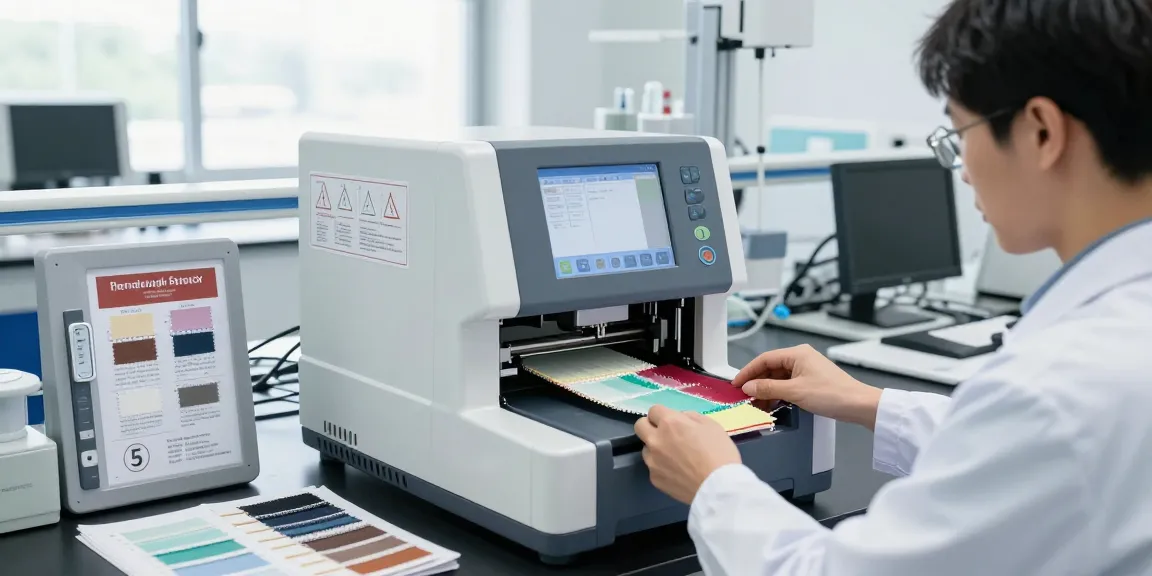
The Elmendorf Tearing Tester, often simply referred to as the tearing tester, employs the ballistic pendulum method to quantify the tearing resistance of materials. This device operates by releasing a pendulum from a specified height, which then tears the sample material at a predetermined notch. The energy lost by the pendulum during the tear directly correlates to the tear strength of the material being tested. Primarily used for textiles, plastics, and thick paper, the tester delivers reliable and accurate measurements that are crucial for material evaluation.
Importance in Textile Testing and Quality Control
Quality control in textiles and related industries hinges on accurate measurements of material properties. The Elmendorf Tearing Tester is integral in this respect, providing data that can influence material selection, product development, and compliance with industry standards. Ensuring that products meet specified tear strength requirements not only enhances durability but also plays a significant role in customer satisfaction and brand reputation.
Overview of Testing Procedures and Standards
The Elmendorf Tear Test adheres to several recognized international standards, including ISO 13937-1 and ASTM D1424. These standards outline specific procedures for conducting the test, ensuring consistency and reliability of results across different testing environments. By following these protocols, manufacturers can guarantee that their products meet essential safety and performance criteria, fostering trust among consumers and partners alike.
Key Features of the Elmendorf Tearing Tester
Fully Automated Operation for Accuracy
The automation of the Elmendorf Tearing Tester significantly reduces human error, enhancing the accuracy of test results. With features that allow the device to recognize the weight of the sample and adjust measurements accordingly, operators can obtain results without manual interventions. This automation is particularly beneficial in high-throughput testing environments, where efficiency is crucial.
Precision Measurement Capabilities (±0.2%)
One of the standout features of the Elmendorf Tearing Tester is its precision measurement capability, which offers an accuracy of ±0.2%. This level of accuracy is essential for applications where even slight variations in tear strength can impact the performance and reliability of the final product. Manufacturers benefit from this precision, as it helps ensure compliance with industry standards and enhances the overall quality of their products.
User-Friendly Design and Interface
The design of the Elmendorf Tearing Tester emphasizes user-friendliness, featuring an intuitive interface that simplifies operation. New technicians can quickly learn to operate the tester, reducing the training time required before they can produce valid test results. The ergonomic design also enhances safety, as dual-button activation keeps operators at a safe distance from moving parts.
Applications of the Elmendorf Tearing Tester
Industries Utilizing the Tester (Textiles, Plastics, Packaging)
The applications of the Elmendorf Tearing Tester are vast and varied, spanning multiple industries. In textiles, it is crucial for evaluating fabrics used in garments, upholstery, and other applications. The plastics industry employs the tester for assessing films and sheets used in packaging, while the packaging sector utilizes it to ensure materials can withstand forces during shipping and handling. Each industry benefits from the reliability and precision of the Elmendorf Test, leading to better quality control and product development practices.
Real-World Examples and Case Studies
Multiple companies have successfully integrated the Elmendorf Tearing Tester into their quality control processes. For instance, a reputable textile manufacturer reported a significant decrease in product returns and complaints after implementing regular tearing strength tests. By ensuring that their fabrics meet stringent tear resistance standards, the company not only improved customer satisfaction but also reduced costs associated with reprocessing defective materials.
Benefits of Regular Testing for Compliance and Quality
Regular testing with the Elmendorf Tearing Tester offers numerous benefits, including enhanced compliance with international standards, improved product durability, and increased consumer confidence. By proactively verifying that materials meet established tear strength criteria, manufacturers can avoid costly recalls, litigation, and damage to their brand reputation.
Integrating IoT and Digital Solutions
Smart Connectivity with Mobile Apps
The integration of IoT capabilities into the Elmendorf Tearing Tester marks a significant evolution in textile testing technology. With connectivity to smart devices via mobile apps, operators can monitor test outcomes in real-time, review historical data, and generate reports easily. This accessibility allows for more informed decision-making and quick adjustments to manufacturing processes as needed.
Data Management and Reporting Features
Advanced data management features enable users to not only monitor real-time results but also streamline reporting processes. Automated reporting tools help reduce administrative burdens, allowing technicians to focus on analysis and testing rather than paperwork. This efficiency leads to a more agile quality control process, which is critical in rapidly changing market environments.
Enhancements from API Integrations with ERP Systems
Direct API integrations with Enterprise Resource Planning (ERP) systems further enhance the utility of the Elmendorf Tearing Tester. By synchronizing testing data with inventory management systems, manufacturers can ensure that their production processes are always aligned with available raw materials and quality standards. This integration facilitates a more cohesive workflow, improving both efficiency and product quality.
Future Trends in Tearing Strength Testing
Emerging Technologies in Textile Testing Equipment
The future of tearing strength testing is poised to leverage emerging technologies such as AI and machine learning to further improve accuracy and efficiency. Next-generation Elmendorf testers may incorporate predictive analytics to forecast material performance based on historical data, thus enhancing pre-emptive decision-making in production processes.
Predictions for Industry Standards by 2026
As global standards continue to evolve, it is anticipated that testing requirements will become more stringent. By 2026, manufacturers may need to comply with new regulations involving enhanced testing for sustainability and environmental impacts. Staying ahead of these trends will be critical for companies aiming to maintain market relevance and adhere to consumer expectations.
Preparing for the Future of Quality Control in Textiles
Investing in advanced testing solutions like the Elmendorf Tearing Tester is essential for manufacturers seeking to future-proof their operations. Emphasizing compliance, innovation, and quality will enable them to navigate the complexities of the modern manufacturing landscape effectively.
How to Calibrate an Elmendorf Tear Tester?
Calibrating the Elmendorf Tearing Tester involves a systematic process that ensures accuracy and reliability. Operators should begin by selecting the appropriate calibration weights based on their specific testing requirements. Calibration is typically performed using a reference standard, ensuring that the readings align with recognized benchmarks.
What Common Issues Can Occur with the Tester?
Common issues with Elmendorf Tearing Testers may include mechanical failures, incorrect calibration, or user error. Regular maintenance and adherence to operational guidelines can mitigate these risks, helping to maintain the integrity of test results.
How Does the Elmendorf Test Compare with Other Testing Methods?
The Elmendorf Test stands out for its speed and accuracy compared to other tearing test methods. While some alternative methods may provide comparable results, they often require more manual intervention or are less suitable for high-volume testing environments.
What is the Average Cost of an Elmendorf Tearing Tester?
The cost of an Elmendorf Tearing Tester can vary significantly based on features and automation levels. Typically, prices range from several thousand to tens of thousands of dollars, depending on the manufacturer's specifications and capabilities.
What Maintenance is Required for Longevity of the Device?
Regular maintenance for the Elmendorf Tearing Tester includes routine cleaning, calibration checks, and software updates. Adhering to these practices ensures longevity and consistent performance of the device, ultimately safeguarding the investment made in quality testing equipment.